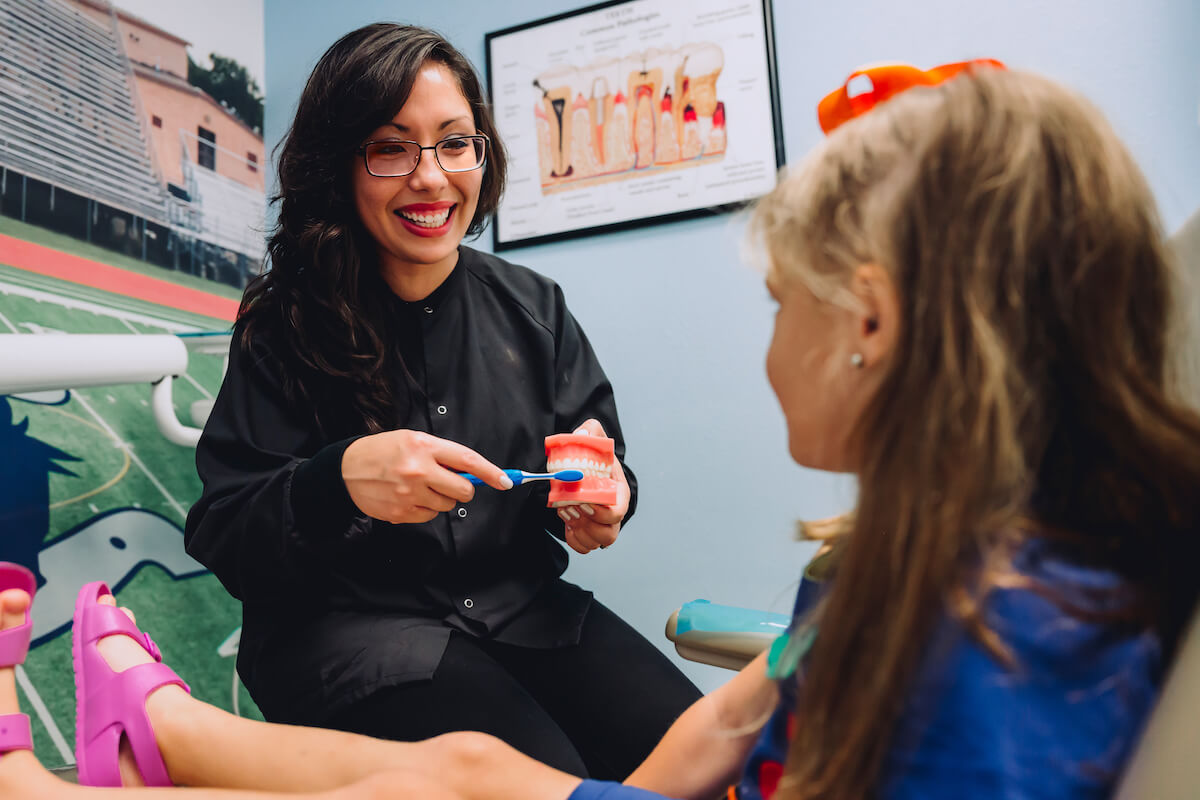
You go over a treatment plan and feel confident you’ve explained it well. The patient nods, but then you notice they hesitate. They ask, “Do I really need this?”
This situation is common for everyone, from students and new graduates to experienced dentists. While clinical skills are essential, communication often makes the difference in building trust, gaining case acceptance, and earning patients’ long-term loyalty.
Effective patient communication entails being clear, demonstrating empathy, and speaking with confidence. When patients feel heard and understood, they are more likely to accept care and return for future visits.
In this blog, you’ll find practical tips to help you communicate better with patients. You’ll also learn how Community Dental Partners helps dentists build strong communication skills through mentorship and a supportive culture.
Clear Communication Is Key to High-Quality Dental Care
The World Dental Federation (FDI) highlights that clear communication between dentists and patients is essential for high-quality care. It helps boost patient satisfaction, build trust, lower anxiety, improve treatment follow-through, and lead to better health outcomes, as shown in their Vision 2030 report and related research.
Trust Comes Before Treatment Plans
Patients form opinions quickly, sometimes even before the exam starts. In those first few minutes, they decide if they feel safe, listened to, and respected. This first impression affects how open they are to receiving care.
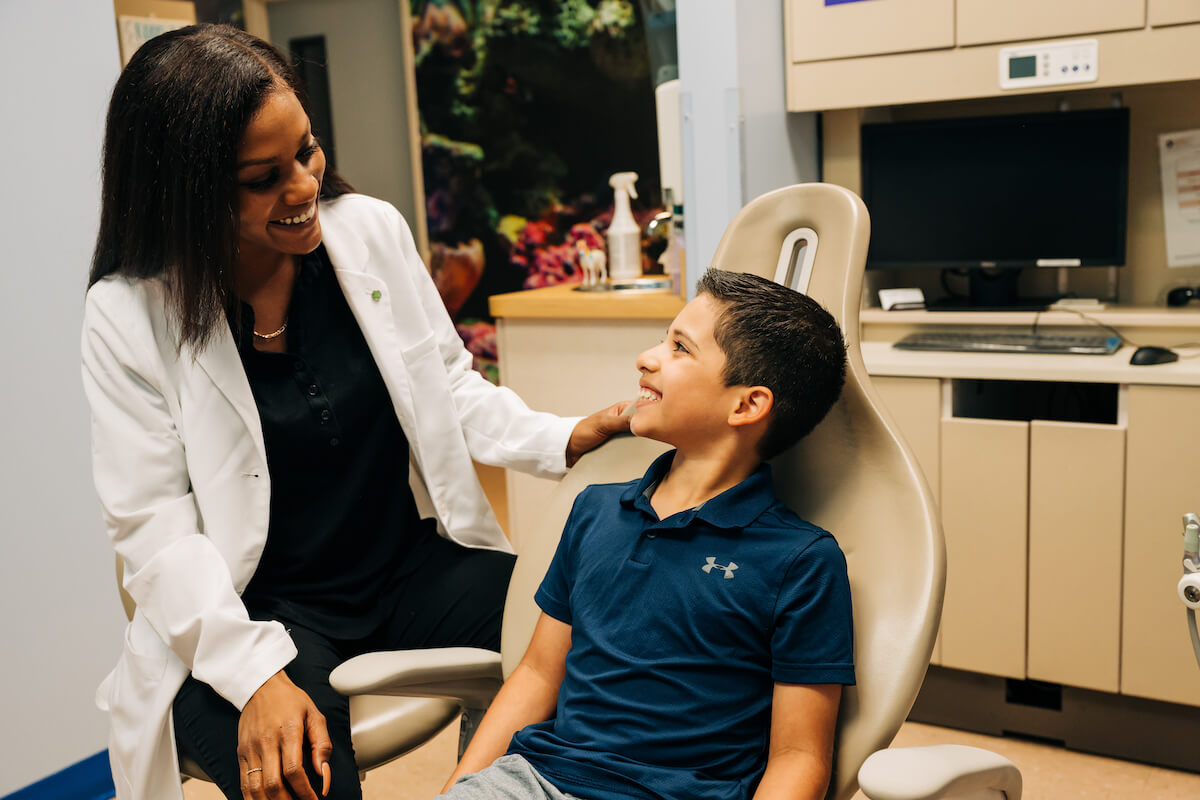
Trust grows from small, thoughtful actions. Sit at the patient’s eye level instead of standing over them. Use their name and make eye contact. Begin with an open question, such as, “What concerns you most today?” Then pause and let them speak without interruption.
When patients feel heard, they are more likely to trust your advice and agree to treatment. Those first moments set the tone for the rest of the visit.

Clear Language Improves Case Acceptance
Patients don’t think like dentists. Words like “distal,” “occlusal,” or “bone loss” might be normal for you, but they can sound confusing or even frightening to patients. If patients don’t understand what you are saying, their anxiety can rise, and trust may decrease.
Using clear, simple explanations helps patients feel part of the conversation rather than just being talked to. When patients understand what’s happening in their mouths and why it matters, they feel informed about the need for care and are more open to making the investment.
Try this three-step approach:
1. Explain the problem in one short sentence.
Explain the issue clearly and avoid using jargon. Focus on what the patient needs to know, not every clinical detail. This helps them quickly understand what’s happening.
2. Explain why it matters now.
Link the problem to comfort, function, or long-term health. Patients want to know how it affects their daily lives and what might happen if it’s left untreated.
3. Explain the solution and what happens if they wait.
Describe the recommended treatment in simple terms. Then explain the potential risks of waiting so patients can make an informed decision without feeling pressured.
Visual Aids Matter
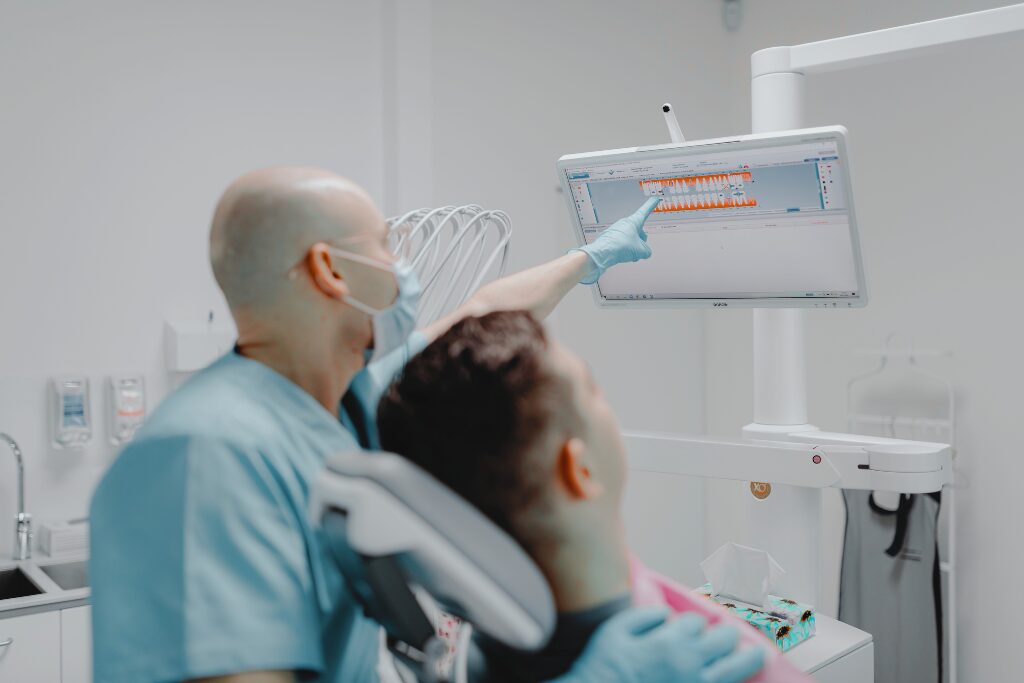
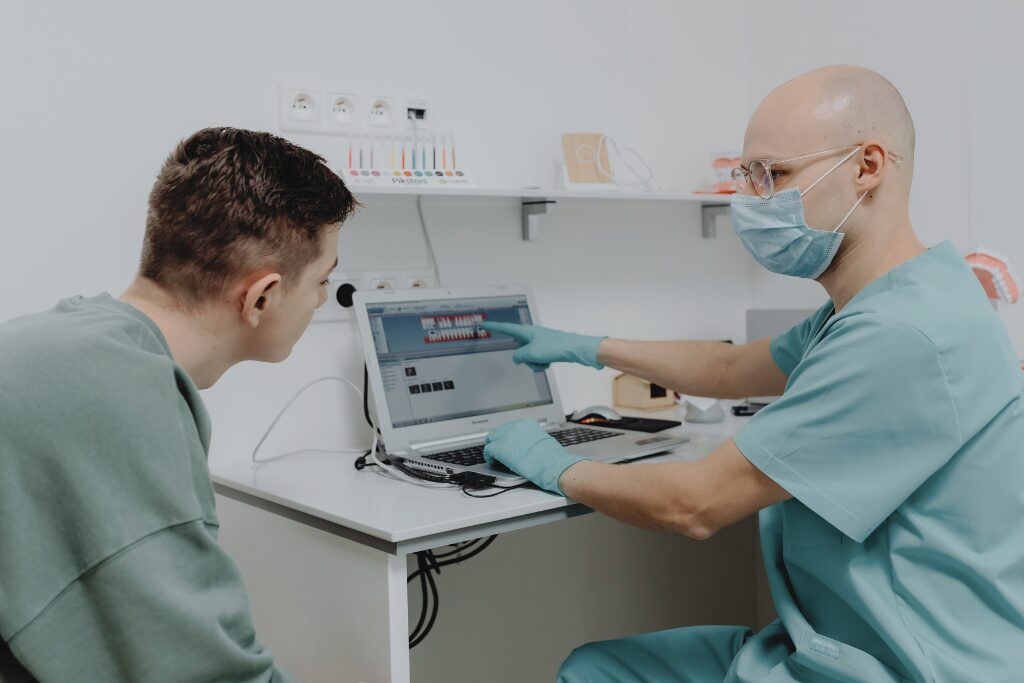
Using pictures is key to improving oral health literacy. Research shows that about 65% of people are visual learners, meaning they understand and retain information best when it is presented visually, such as in notes, diagrams, or images. Visual aids help patients grasp and remember important details, making them an essential tool for dental professionals when explaining treatment options or home care instructions.
Show Empathy and Address Fear Directly
Dental anxiety is common. Many patients delay care due to fear, cost, or negative past experiences. If these feelings are ignored, patients may shut down or avoid treatment completely.
Recognizing emotions helps build trust and connection. Saying things like, “A lot of patients feel nervous about this,” or “It’s normal to feel anxious,” shows patients you understand and respect their feelings. When patients feel seen and heard, their anxiety goes down, and they are more likely to take part in their care.
When you and your team show empathy and compassion, patients quickly feel they are in good, caring hands.
Helpful Tips:
- Ask about past dental experiences.
- Normalize fear without minimizing it.
- Explain what you will do to keep them comfortable.
How CDP Helps
At Community Dental Partners, empathy isn’t just a value; it is part of our daily culture. Every team member is encouraged to treat patients like gold, listening carefully, showing understanding, and making each visit as comfortable and positive as possible.
Learn Communication Skills Early and Keep Practicing
Many dentists admit, “I wish I had learned this in school.” While clinical skills are the focus of dental training, communication is rarely taught in depth, even though it affects every patient interaction and treatment decision.
Dental students and new graduates benefit most from real-world coaching, while practicing dentists gain from feedback, learning from peers, and ongoing practice. Many people think communication is a fixed trait, but it’s actually a skill that improves with practice, reflection, and support.

How CDP Helps
At Community Dental Partners, dentists never have to figure things out alone. We offer ongoing mentorship, continuing education, and a supportive culture so every dentist can communicate confidently and effectively with patients.
Conclusion
Good patient communication builds trust, helps more patients accept treatment, and creates positive experiences for everyone. It starts with listening, using clear language, adding visual aids, and showing empathy. These skills improve over time with practice.
Whether you are a dental student, a new graduate, or an experienced dentist, strong communication skills shape your confidence, your patient relationships, and your career path.
At Community Dental Partners, we support dentists with mentorship, training, and a people-first culture. If you want to build these skills in a supportive environment, reach out to a CDP Hiring Manager and start your next chapter with us.