
It is 10:45 a.m. Your schedule says you should be finishing a crown prep, but you are behind. The patient is anxious. Your assistant is waiting for the next step. You start to feel the pressure to move faster. Many dentists know this moment well, especially new grads and students entering clinical practice. Time management often feels like a tradeoff between efficiency and patient trust.
Procedure timing matters because it affects patient experience, clinical outcomes, and your own stress level. When timing is off, days feel chaotic. When timing is dialed in, the practice runs more smoothly, and patients feel cared for. This blog breaks down how to work efficiently without rushing patients. You will learn practical ways to structure procedures, communicate clearly, and build habits that support consistent timing.
Build Predictable Procedure Frameworks
One of the biggest mistakes that new dentists make is reinventing the wheel for every procedure. Predictable frameworks help you stay efficient without cutting corners. When each procedure follows a familiar flow, your brain spends less energy on decisions and more on patient care.
A 2024 study by Al Halabi and colleagues found that standardized treatment protocols improve efficiency and consistency while reducing errors, which are all outcomes that are directly relevant to daily dental practice.
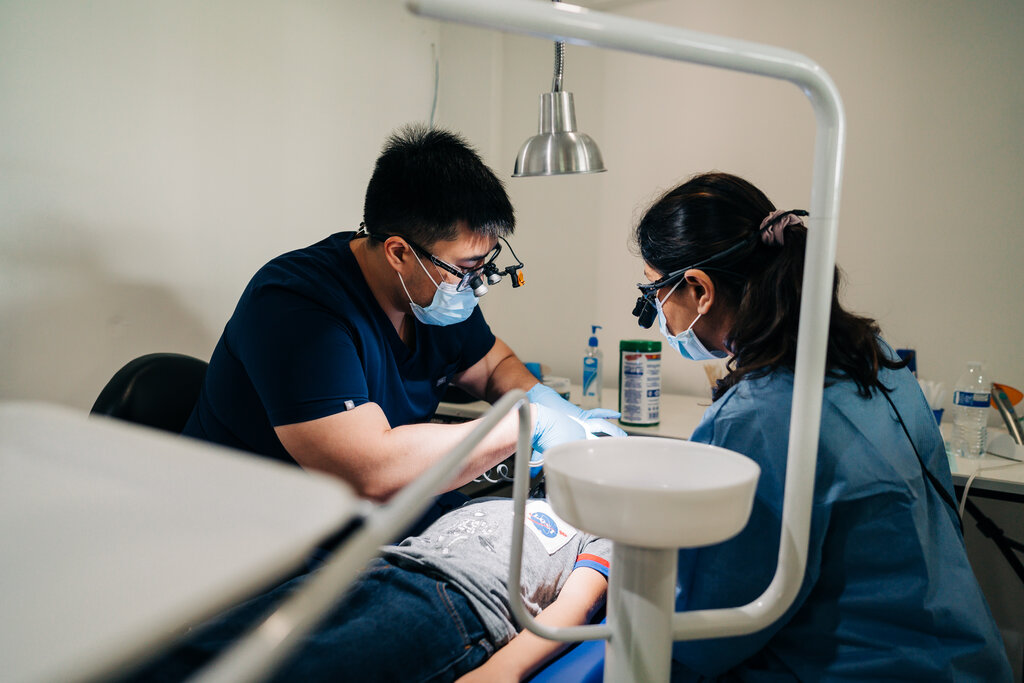
Think about a simple restorative appointment. If your setup, sequence, and communication are consistent, small delays are easier to recover from.
Key elements to standardize include:
- Tray setup and instrument order
- Assistant handoff cues
- Verbal explanations given to patients
New dentists often worry that the structure will feel robotic. In reality, structure gives you more space to be human. You are not rushing because you know what comes next. Developing strong clinical workflows is part of building the core skills needed for long-term success in dentistry. Many of these proficiencies extend beyond hand skills, including communication, efficiency, and adaptability, which are outlined in the essential skills every dentist needs to succeed.
Use Time Blocking Without Overbooking
Efficient dentists recognize the difference between ideal and real time. Procedures take longer when patients ask questions, need reassurance, or when unexpected findings come up. Time blocking helps you plan for this without adding stress to your day.
Here is a simple approach:
- Identify your average time for common procedures, not your fastest time.
- Add buffer minutes for patient education and anesthesia.
- Protect short gaps in the schedule for catch-up, not production.
For example, if a crown prep usually takes you 45 minutes, do not schedule it for 45 and hope for the best. That pressure shows up in your body language, your tone, and patients will notice.
How CDP Helps
At CDP, our practices use scheduling support and data insights to help doctors set realistic appointment lengths that match their experience level. Having access to operational support can make realistic scheduling easier, especially early in your career. This is one reason many doctors describe why they thrive with Community Dental Partners rather than managing everything on their own.
Communicate Timing Clearly With Patients and Team
Rushing often comes from misaligned expectations. When patients or team members do not know what is happening next, time feels tighter than it actually is.
Clear communication about the timing and steps of each procedure is critical. Research shows that dentists should use simple, clear language and explain each step in understandable terms so patients know what to expect and can engage in decision-making at their own pace.
Try these habits:
- At the start of the visit, explain the main steps and estimated time.
- Narrate transitions. For example, say what you are doing and why.
- Check in on the patient before the final step so they feel at ease.
This does not slow you down. It speeds things up. Patients who understand the process are more cooperative and less anxious. Your assistant can anticipate needs rather than react to them. The room feels calmer, even if the clock is tight.
For dental students and new grads, this skill takes practice. Supportive environments that encourage feedback make a big difference in learning how to pace communication naturally.
Protect Your Own Focus and Energy

Procedure timing is not just about systems. It is also about you. Fatigue, distraction, and mental overload all stretch appointments beyond the planned time.
Common focus killers include:
- Jumping between rooms too often.
- Skipping breaks and running on empty.
- Delaying patient notes until the end of the day.
Fatigue among healthcare providers has been shown to impair performance and clinical decision-making, increasing the risk of errors and compromising patient safety. These findings are relevant to dentistry, where similar cognitive and physical demands exist, as highlighted in Lockley et al., 2007.
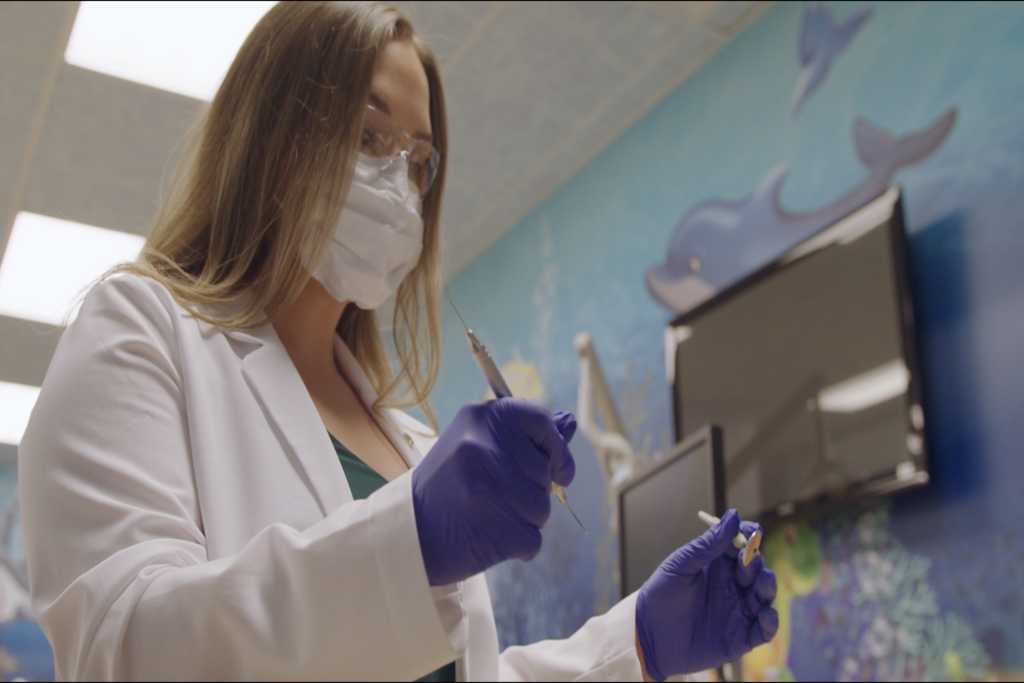
Small changes help. Finish one procedure mentally before moving on to the next. Build short resets into your day. When you are focused, your hands move with purpose, and patients feel it.
Practices that value doctors’ well-being often achieve greater efficiency without sacrificing speed.
Conclusion
Mastering procedure timing is not about rushing. It is about structure, realistic scheduling, clear communication, and protecting your focus. When these pieces work together, efficiency follows naturally. Patients feel heard. Teams feel aligned. Your day feels manageable.
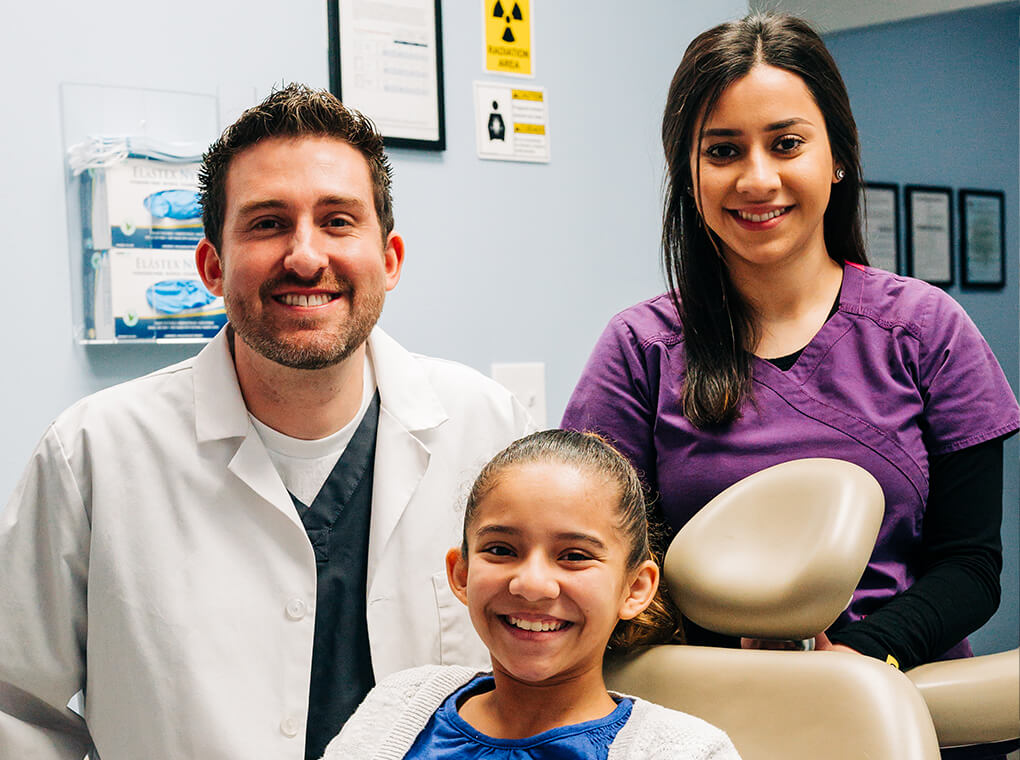
If you are a practicing dentist, a new graduate, or a dental student thinking about your next step, the right support system matters. Community Dental Partners works with doctors to build workflows, mentorship, and schedules that support strong clinical pacing.
If you want to explore what that support could look like for you, schedule a conversation with a Hiring Manager. It is a simple way to see if the fit is right and learn how you can grow without burning out.