
Graduating from dental school is exciting, but it can also be stressful for many new dentists. You might apply for jobs and not hear back, or attend interviews and wonder whether you made a positive impression.
The dental job market is competitive, especially in popular cities. Many new graduates are applying for the same jobs with similar resumes. This does not mean you are behind; it just means you need a different approach.
Small choices can make a big difference early in your career. Where and when you are willing to work, and who you are willing to treat, all matter.
This blog breaks down ways new dentists and dental students can stand out in a dental job market. These are practical shifts that Hiring Managers take notice of right away. These changes often create a stronger overall experience and more sustainable long-term growth in your dental career.
Be Open to Practicing in Rural or Underserved Areas

Many new dentists look for jobs in big cities, but these markets are often crowded. Practices may get dozens of applications for a single position.
Rural and underserved areas are different. There is a high demand for dental care and less competition, so new dentists often gain experience more quickly.
According to a CareQuest Institute research report, rural populations have less access to dental care, use it less often, and have poorer oral health outcomes than those in urban and suburban communities.
Working in a smaller community can give you a broader range of experience while helping patients in need. You might do more procedures in your first year than your peers in big cities.
What Hiring Managers See
Being open to rural jobs shows maturity and flexibility. It also shows you value providing access to care, not just about location.
Main advantages include:
- Higher income
- Loyal patient base
- Faster skill development
- Lower cost of living in many areas
How CDP Helps
Community Dental Partners helps doctors in rural practices by offering mentorship and support, so new dentists are not figuring it out alone.
Show Flexibility With Your Schedule
Many practices offer extended hours, like a few Saturdays a month or some early mornings or late evenings, to meet patient needs. Patients often prefer these times because they do not have to miss work or take their kids out of school. Offering more access helps build trust and loyalty in the community.
Some new graduates see this as a drawback, but Hiring Managers see it as a sign of commitment and teamwork. Dentists who help cover busy times demonstrate reliability and prioritize patients.
Being flexible with your schedule can help you build momentum early in your career. More availability usually leads to a busier schedule, which means more procedures, more practice, and stronger relationships with patients. Over time, this helps you build a solid patient base and more confidence in your skills.
Position Your Time as a Strength
You do not have to say yes to every special schedule request, but being flexible at the start shows you are committed.
Ways to present your flexibility:
- You value being part of a team that shares coverage.
- You understand that patients’ needs go beyond weekdays.
- You are open to learning the practice flow during higher-volume times.
How CDP Helps
Community Dental Partners works with doctors to create sustainable schedules that evolve as careers grow. The goal is simple: a schedule that supports quality care, steady income, and long-term career growth without constant overload.
Be Willing to Treat Children, Even If You Are Nervous
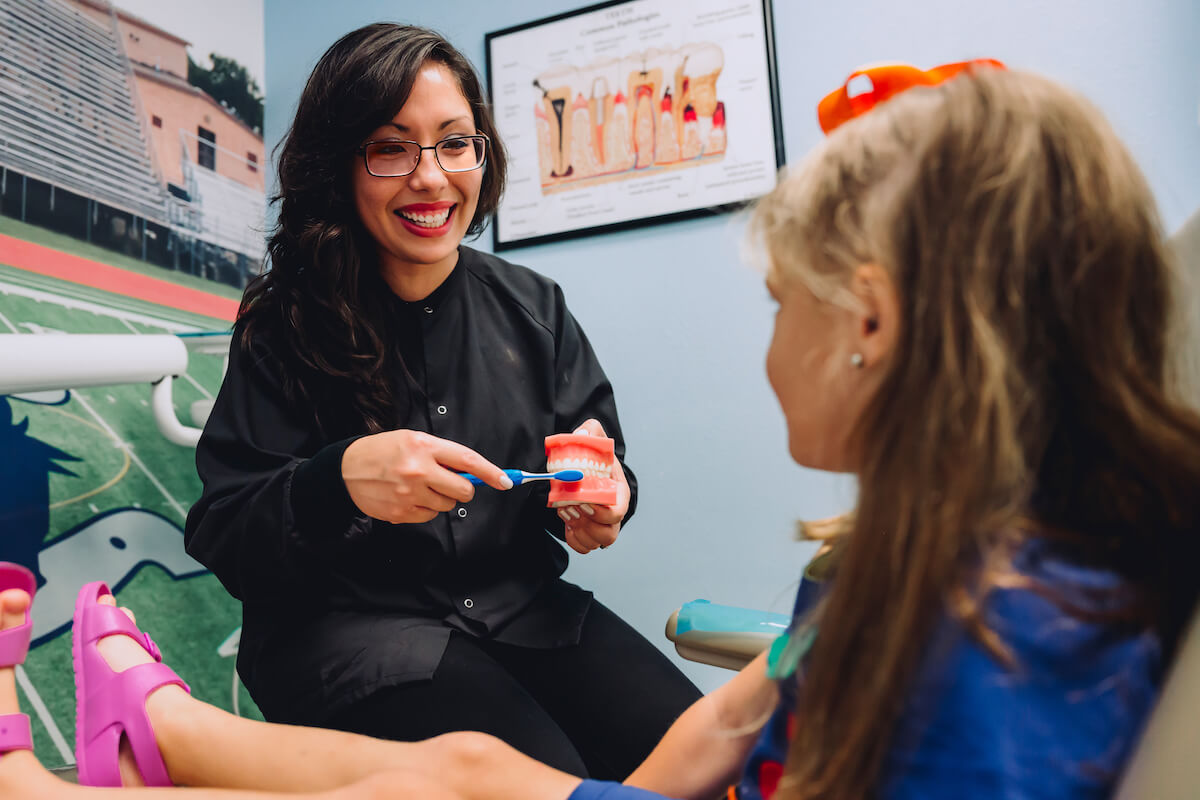
Many dental students and new graduates feel nervous about treating children, and that is normal. Pediatric appointments can be unpredictable. Kids move, cry, or get scared. Dental school often does not give much real-world experience handling these situations alone.
Most students finish school having met the requirements, but they may not feel fully confident in managing children’s behavior, dealing with anxious parents, or handling a busy schedule with many pediatric exams. The first few experiences after school can feel overwhelming.
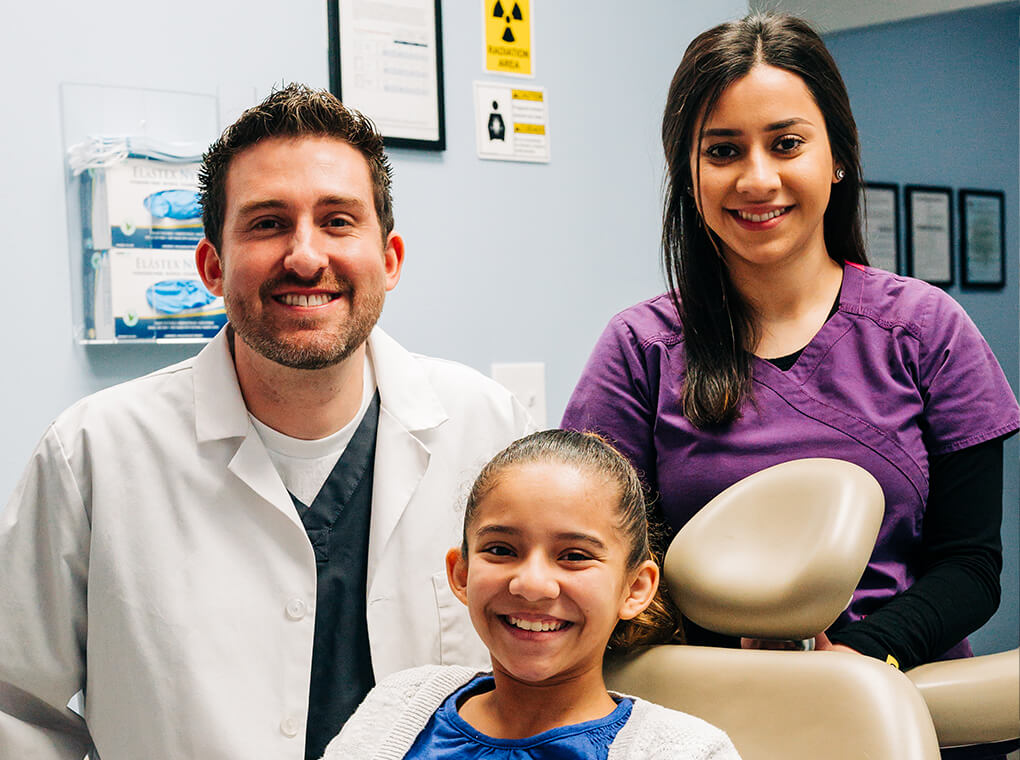
General dental offices often serve whole families, not just adults. Parents like offices where everyone can get care in one place. If you are open to treating children, you add value to the practice and help your own clinical growth.
Getting early experience with children helps you build confidence quickly. Over time, what once felt stressful becomes routine. Many dentists find that working with kids improves their communication with all patients.
The Pediatric Oral Health Research & Policy Center stresses that early positive dental experiences have a lasting impact on oral health. You have a real opportunity to shape how a child feels about going to the dentist for years to come.
No one expects you to be perfect on your first day. Practices know new graduates are still learning. Dentistry is about growth. Your first year is for improving your speed, communication, and real-world confidence.
How to Build Confidence
You build confidence with children through practice and support.
Helpful tips:
- Start with simple procedures.
- Learn behavior guidance techniques.
- Observe experienced doctors and hygienists.
If you avoid treating children, you may have fewer job options. Being open to it gives you more opportunities. Hiring Managers notice candidates who say, “I am open to learning.”
Understand the Value of Working Without a Hygienist
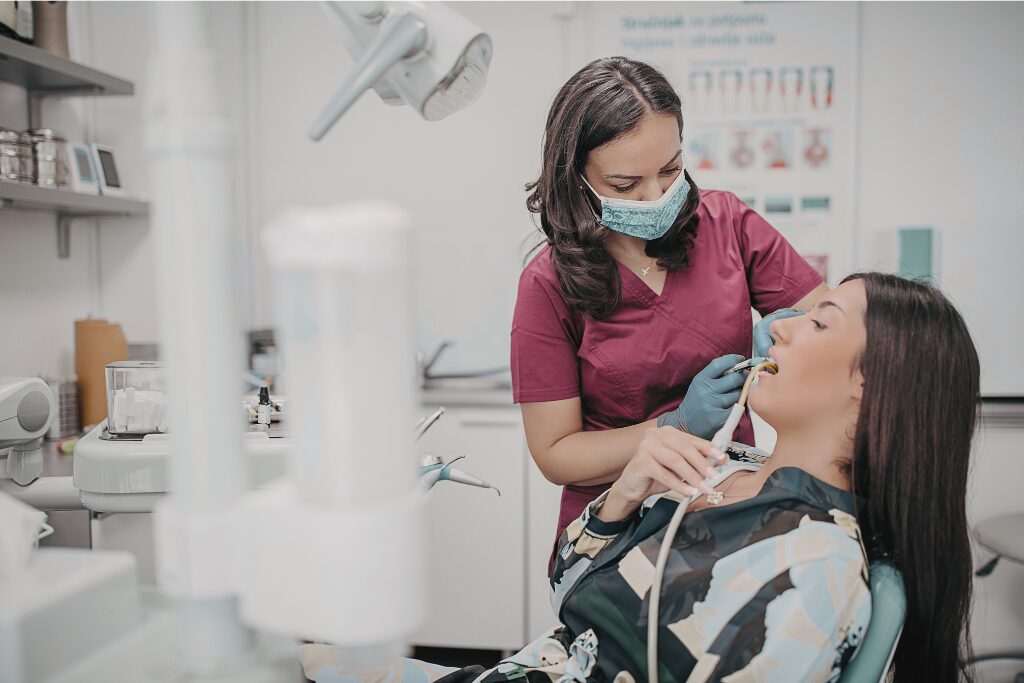
Some new dentists feel nervous about working in a practice without a hygienist, and that is understandable. In dental school, roles are clearly divided. You focus on your requirements while hygiene, perio maintenance, and recall systems run in a structured, predictable way.
Real-world practice can be different. Some offices are still growing or rebuilding their teams. Others are in rural areas, where there may not be a hygienist on staff at all. Starting in these settings can feel intimidating at first.
However, working without a hygienist can help you grow, especially early in your career. You get to see all parts of patient care, from prevention to diagnosis and treatment planning. You learn how recall affects restorative care, how patient education matters, and how time is managed in a real schedule.
What You Gain From This Setting
Practices without hygienists often allow new dentists to:
- Strengthen diagnostic and preventive care skills through repetition.
- Improve time management and learn how to control the flow of a full day.
- Sharpen case presentation by connecting prevention directly to treatment needs.
- Build stronger patient relationships through longer, more personal appointments.
You also build confidence by leading the clinical process from start to finish. This experience helps you work better with a hygienist if one joins the team later.
Working without a hygienist is not a setback. It is an opportunity to improve your basic skills, understand all aspects of care, and become a more confident and capable dentist.
Conclusion
You do not need a perfect resume to stand out in the dental job market. What matters is your mindset. Being open to rural jobs can help you grow faster. Flexible schedules demonstrate your commitment to patients and your team. Treating children gives you more opportunities. Being comfortable working with or without hygienists shows you are ready for real-world practice. These choices show you are adaptable and professional, and Hiring Managers notice them.
If you are looking for your first job or planning your next move, talking to the right team is important. A quick conversation can help you understand if a job is a good fit and what support and growth you can expect. Consider scheduling a chat with a Community Dental Partners Hiring Manager.
Your career is just beginning. Choose paths that help you grow quickly and build your confidence.