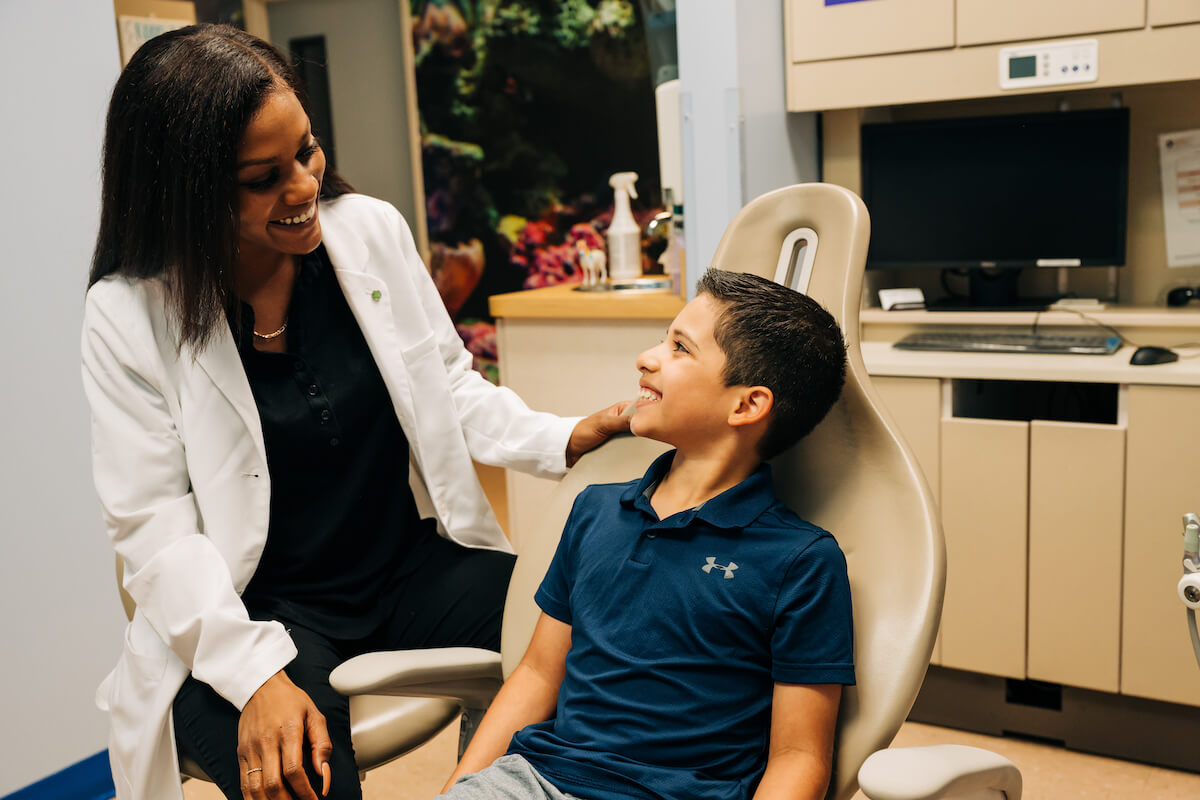

You diagnose periodontal disease every week. You explain the need for care. Still, some patients delay or disappear. This is a common problem for practicing dentists. It is not about your clinical skills. It is about how patients feel, what they understand, and how supported they are over time.
Periodontal (perio) patients often come in with fear, confusion, or past bad experiences. If those concerns are not addressed, treatment acceptance drops and long-term retention suffers. The good news is this can be fixed!
This blog breaks down how to convert and retain perio patients through better communication, trust, education, and follow-up. You will also learn how Community Dental Partners supports doctors with mentorship, team training, and operational resources. This makes perio care easier for both providers and patients.
Identifying the Patient’s Real Concern
Perio treatment starts before the probe ever touches the tissue. It starts with understanding what the patient is worried about.
Many periodontal patients notice changes before they realize what is happening. Bleeding gums, persistent bad breath, and loose teeth are common early signs. Some brush it off as normal. Others worry they might lose teeth. For many, there is quiet anxiety that they do not talk about.
Fear and anxiety often stop patients from accepting treatment. This is not a small issue. A study published in September 2025 in The Journal of the American Dental Association found that dental fear remains very common in the United States, with little improvement over time. In a survey of 1,003 U.S. adults, 72.6% said they were afraid of going to the dentist. Nearly half (45.8%) described their fear as moderate, while 26.8% said it was severe. These numbers show why emotional barriers must be addressed before patients can say yes to perio care.
Start by Asking Open Questions
Open questions help patients feel heard. They also give you insight you cannot get from a chart.
Try asking:
- “What made you schedule today?”
- “What concerns you most about your gums?”
Key Takeaways
- Listen for emotional cues, not just symptoms.
- Validate their concern before offering solutions.
Building Trust Through Rapport and Listening

Trust converts perio patients more than charts or images ever will.
Patients need to feel heard. Active listening means letting them speak without interruption and reflecting back what they say.
Simple phrases work well:
- “It sounds like you are worried about losing teeth.”
- “I hear that cost is a concern for you.”
Establishing rapport does not require long appointments. It requires presence. When patients feel rushed, they assume treatment is optional. When they feel respected, they are more likely to accept treatment.
The American Dental Association says the way you and your team manage the patient experience can go a long way towards developing a partnership based on mutual respect and supported by open and clear communication. When you build trust through honest communication and empathy, patients are more likely to move past fear and agree to necessary treatment.
How CDP Helps
At CDP-supported practices, mentorship and team training empower doctors and staff to communicate clearly and build patient trust. With these resources, you don’t have to figure this out alone.
Educating Periodontal Patients in Plain Language
Perio education fails when it sounds like a lecture. Patients do not need a textbook explanation. They need clarity.
Explain periodontal disease in simple terms:
- “This is a chronic infection that damages the bone holding your teeth.”
- “Bleeding is a sign of infection, not brushing too hard.”
It also helps to explain how common it is. Nearly half of adults over 30 in the U.S. have some form of periodontal disease, according to the CDC.
When patients realize they are not alone, shame drops, and acceptance rises. Emphasize why treatment matters. Untreated periodontal disease is linked to tooth loss and systemic health issues.
How CDP Helps

At CDP, patient comfort comes first. Our teams focus on easing anxiety and creating a space where patients feel heard, safe, and genuinely cared for.
Presenting Treatment and Personalizing the Plan
Perio patients say yes when the plan feels personal. Start with a clear overview of treatment options. This may include scaling and root planing, localized antimicrobial therapy, or periodontal maintenance. Explain what happens, how long it takes, and what they will feel.
Then tailor the plan. Every patient is different. Smoking status, diabetes, home care habits, and financial comfort all matter. When patients see that the plan fits their life, they are more likely to commit.
Tips for Stronger Case Acceptance
- Tie treatment back to their original concern.
- Explain what happens if they do nothing.
Follow-Up Care That Keeps Periodontal Patients Engaged

Periodontal therapy is not the finish line. It is the starting point. Long-term stability depends on what happens next.
Regular periodontal maintenance visits are critical. These appointments allow you to monitor inflammation, manage bacterial load, and catch breakdown early. Patients need to understand that maintenance is not optional or “just a cleaning.” It is part of managing a chronic condition, much like routine care for diabetes or hypertension.
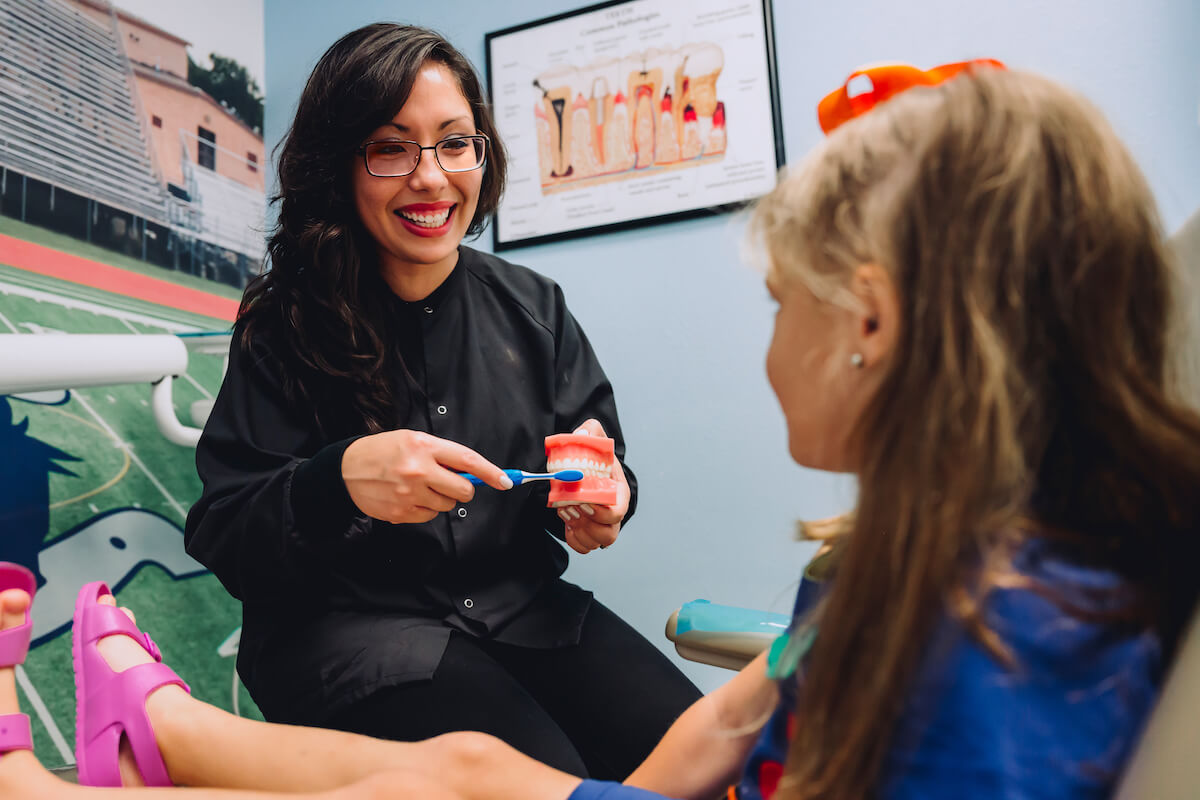
Home care plays an equally important role. Patients cannot maintain health if they do not know how. Be specific. Recommend the exact toothbrush, interdental brush, flossing aid, or water flosser that fits their needs. Then demonstrate how to use it. Take a few minutes chairside. Do not assume patients already know or will figure it out on their own.
When patients understand the why and the how, they are far more likely to stay engaged, return for maintenance, and protect the results you worked hard to achieve.
Encouragement and Ongoing Support
Hope keeps patients engaged. When patients believe things can get better, they are more likely to continue treatment. Share simple success stories from real cases. No names needed. Focus on outcomes patients care about.
Many patients stabilize their gums, reduce inflammation, and keep their natural teeth for years with consistent maintenance. Hearing this matters. It helps patients understand that periodontal disease is not a failure. It is something that can be managed over time.
Ongoing encouragement also reduces fear. When patients know what to expect and feel supported between visits, they are less likely to disappear. Small wins, steady progress, and clear follow-up reinforce trust. Patients need to hear, often, that they are not alone and that improvement is realistic.
How CDP Helps
Community Dental Partners supports doctors with a true team-based model. Hygienists, practice leaders, and clinical peers work together to support long-term patient health.
This structure allows doctors to focus on education, consistency, and follow-up rather than just production goals. With shared accountability and aligned values, teams can deliver periodontal care that emphasizes trust, continuity, and lasting patient outcomes.
Conclusion and Next Steps
Converting and retaining perio patients comes down to connection, clarity, and consistency. Identify the real concern. Build trust through listening. Educate in simple language. Offer personalized treatment. Support patients long after active therapy ends.
These steps are easier when you are not carrying the weight alone. Community Dental Partners provides mentorship, team training, and operational support that support excellent perio care while protecting doctors’ well-being.
If you want to practice in an environment that champions growth and culture, consider reaching out to a CDP Hiring Manager for a conversation. Your perio patients deserve consistency, and you deserve support.