What if the biggest barrier to better oral health is not a lack of treatment options, but whether a patient can get through the front door?
Across the country, patients face challenges that can make routine dental care difficult to access. Cost, transportation, insurance limitations, provider shortages, geography, and a lack of nearby dental practices can all stand between a patient and the care they need. These challenges are especially significant in rural and underserved communities.
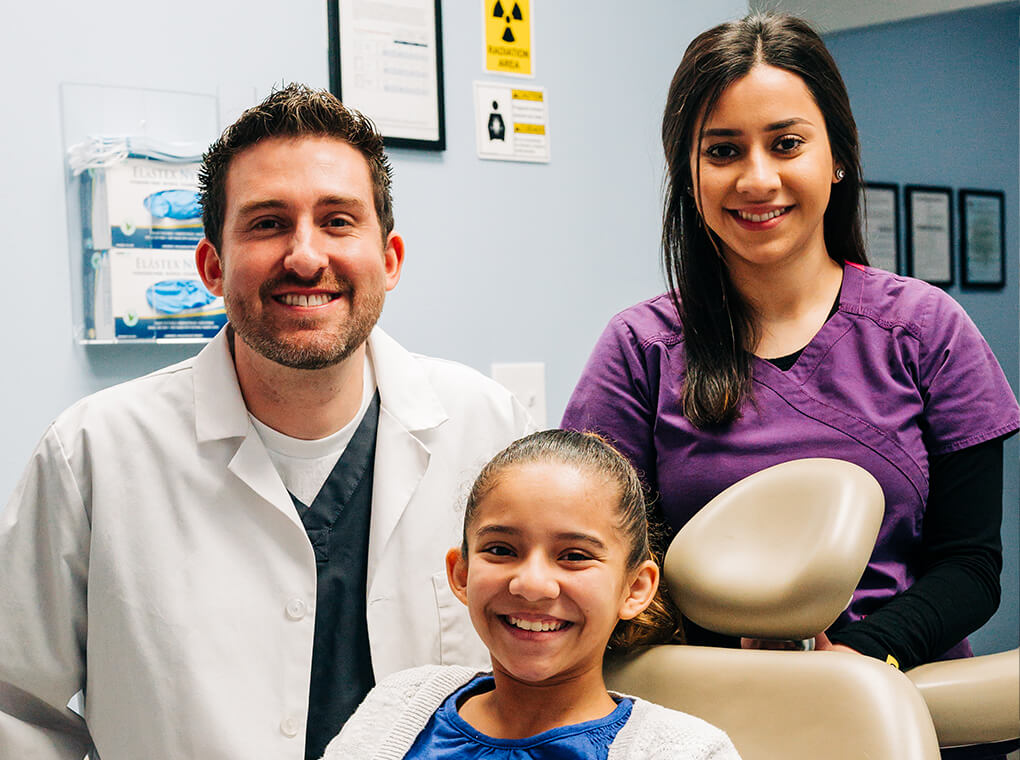
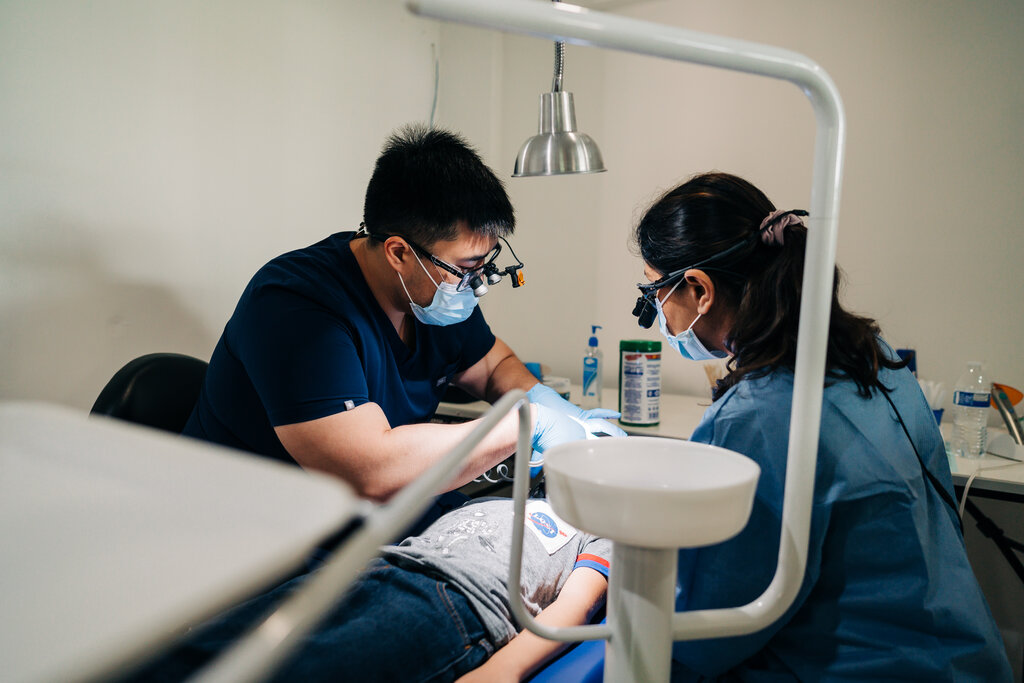
For dentists, this creates both a challenge and an opportunity. Whether you are a dental student considering your first career move or an experienced dentist seeking greater purpose, serving underserved communities can be a meaningful part of your career.
Access to Care Is About More Than Location
When people think about access to dental care, they often think about whether a community has enough dentists. Access involves much more than provider availability. Patients may face transportation challenges, cost concerns, insurance limitations, work schedules, childcare needs, health literacy barriers, or fear of dental treatment. CareQuest Institute for Oral Health has documented many of these barriers, including difficulty finding dentists who accept new patients.
These challenges are often greater in rural and underserved communities, where fewer dentists are available, and patients may have to travel farther for care. Improving access means more than simply placing dentists in these areas. It means having providers committed to serving these communities and building care teams and systems that make it easier for patients to access the care they need.
For dentists, improving access can mean:
- Treating patients who may have delayed care for years.
- Practicing in communities with limited provider availability.
- Helping patients understand prevention and treatment options.
- Building trust with people who may have had limited dental experiences.
- Providing comprehensive care that addresses problems before they become emergencies.
The opportunity is not simply to treat more teeth. It is to help more people establish a foundation for better oral health.
Dentists Can Be Part of the Solution
Serving an underserved community does not mean sacrificing professional growth. In many cases, it can broaden your clinical skill set while making a measurable difference in patients’ lives.
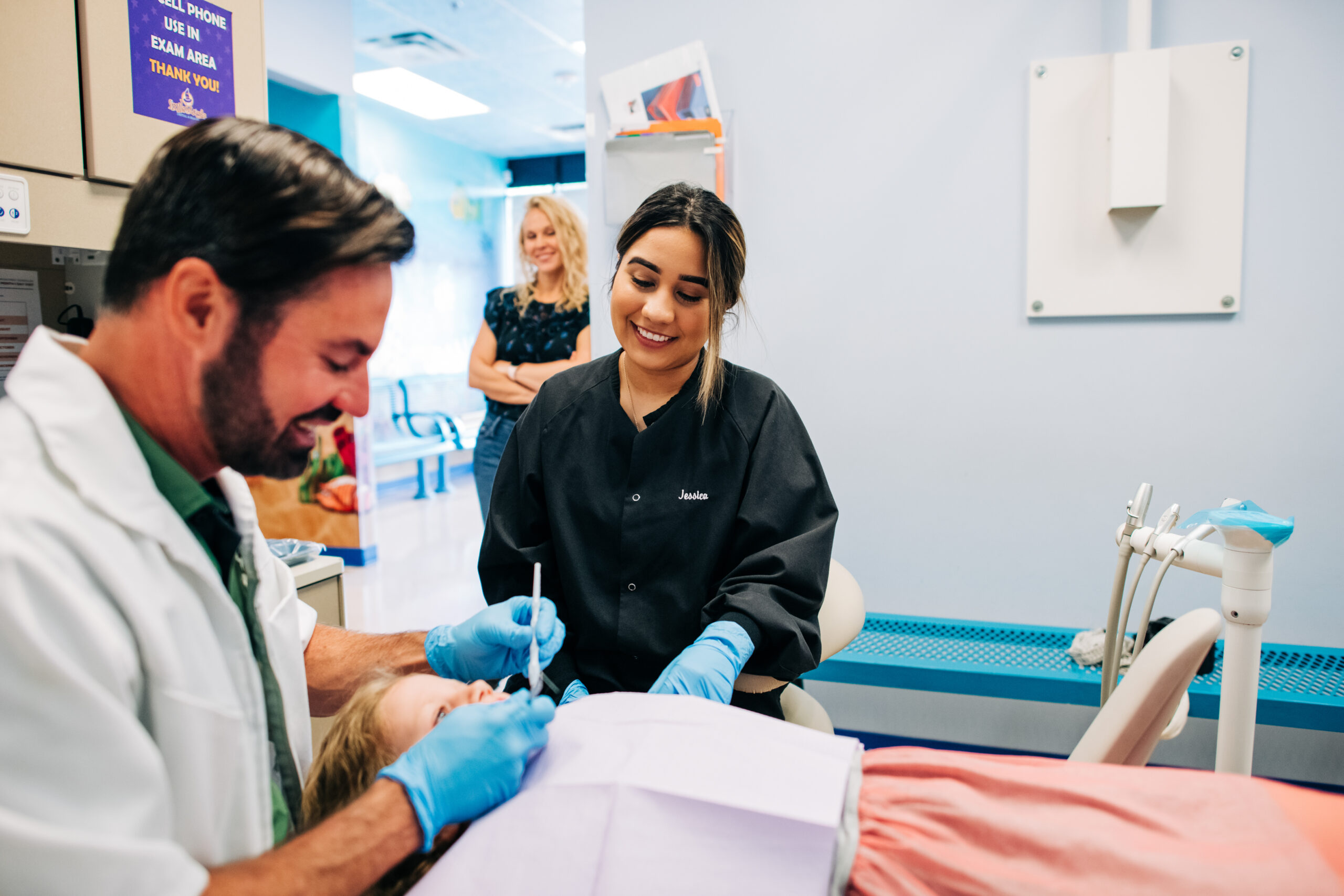
For dental students and new graduates, these communities can offer an environment where every patient interaction matters. You may work with children establishing their first relationship with a dentist, adults who have postponed treatment, or families who need education and guidance on maintaining oral health.
Experienced dentists can also make an impact by bringing their knowledge, leadership, and mentorship to communities where access remains a challenge.
A career focused on access does not have to look the same for every dentist. The important question is, “Where can your skills make the greatest difference?”
How CDP Helps
At CDP, serving underserved patients is part of the opportunity available to doctors. CDP’s current doctor opportunities span Texas, Indiana, and Georgia, with positions specifically designed to serve communities that need greater access to dental care.
Support Matters When You Are Serving Patients With Greater Needs
Serving an underserved population can be incredibly rewarding, but dentists should not have to take on every challenge alone. Dentists need to focus on diagnosis, treatment planning, clinical care, and the patient relationship. The operational side of running a practice can take valuable time away from those priorities. That is where the right support structure can make a difference.
Before choosing a practice, consider:
- Clinical Support: Is there access to experienced dentists and mentors when you encounter a challenging case?
- Team Support: Does the practice have trained team members who understand the importance of patient communication and follow-through?
- Operational Support: Are administrative responsibilities structured so you can spend more time focused on patients?
- Technology and Resources: Does the practice have the equipment and systems needed to provide quality care?
- Professional Development: Will you continue learning as your career develops?
For a dentist who wants to serve communities with limited access, that support can help turn a personal commitment to service into a sustainable career.
How CDP Helps
Community Dental Partners takes a doctor-led, team-supported approach. Its support model includes clinical mentorship, business support, technology, and a broader network of professionals, so dentists can spend more time on patient care.
Small Changes Can Create a Bigger Impact
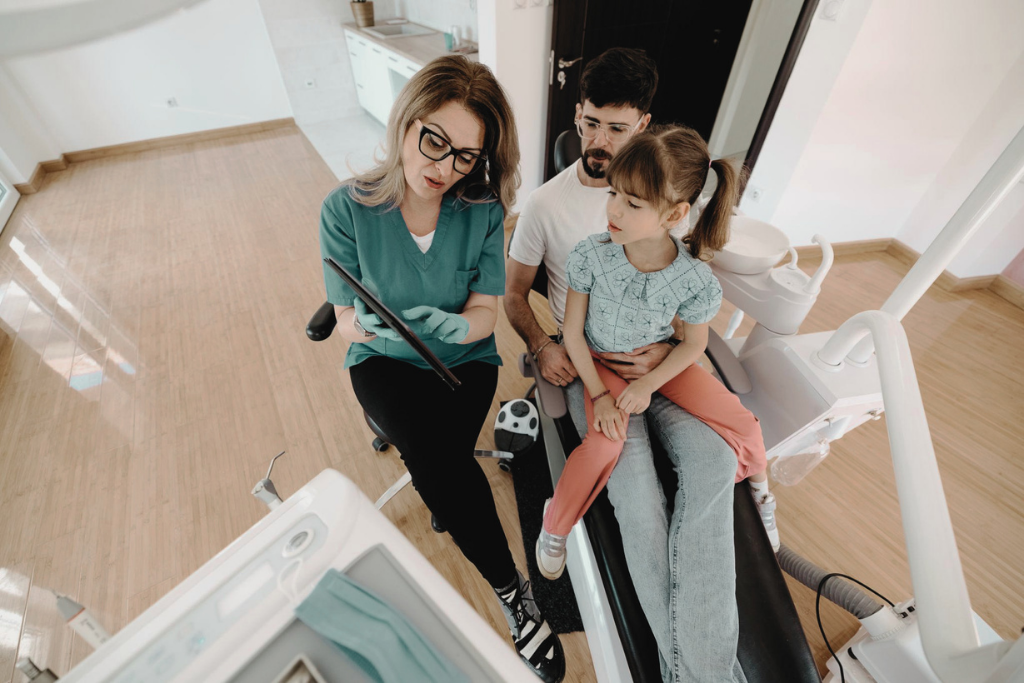
Improving access to care does not always require a major initiative. Sometimes it starts with how a dental team interacts with one patient.
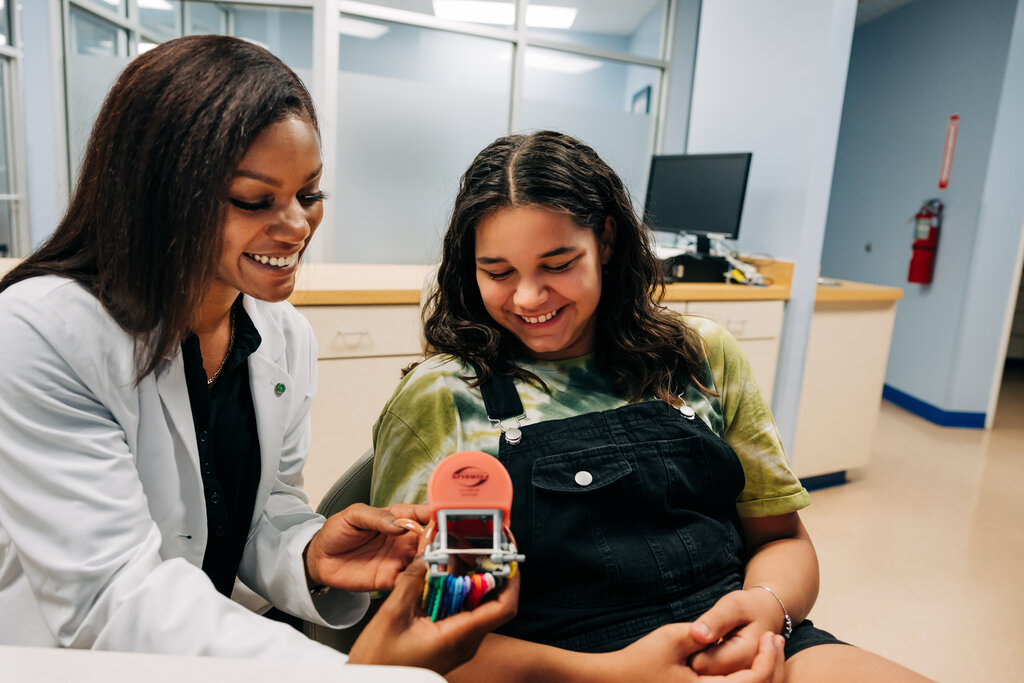
A patient who has avoided the dentist for years may need someone to explain treatment without judgment. A parent may need help understanding why preventive care matters. A patient facing financial limitations may need clear information about available options.
These interactions build trust. Trust can influence whether a patient returns for preventive care, follows through with treatment, or brings their family to the practice.
The ADA’s health equity resources encourage dental professionals and entire dental teams to take action within their own communities. These resources include guidance on oral health literacy, community educational programs, and integrating health equity into the practice environment.
A simple place to start:
Ask yourself, “What could make it easier for this patient to receive and understand the care they need?”
That question can change the patient experience.
Conclusion
For many dentists, a successful career goes beyond production numbers or professional milestones. It also includes the patients they helped, the communities they served, and the relationships they built along the way. Improving access to dental care lets dentists meet a real need while continuing to grow clinically and professionally.
For dental students, it can be a chance to begin a career with purpose. For experienced dentists, it can be an opportunity to bring your skills to communities that need them most.
If serving patients who may have limited access to dental care sounds like the kind of work you want to be part of, talk with a CDP Hiring Manager about where your career could take you.