You may have entered dentistry because you wanted to help people. As you move through dental school or build your career, it can be easy to focus on these basic questions: Where should I practice? What type of practice is right for me? How can I continue developing my clinical skills?
Another question worth asking is: Who needs your skills most?
Across the United States, millions of people live in areas where accessing dental care can be difficult. The HRSA Data Warehouse reports that 57 million Americans lived in dental shortage areas in 2024, with about two-thirds living in rural communities.
For dentists, these communities represent more than a need. They can also represent an opportunity to build a career around purpose, clinical growth, meaningful patient relationships, and community impact.
1. Your Clinical Skills Can Grow Through Greater Experience
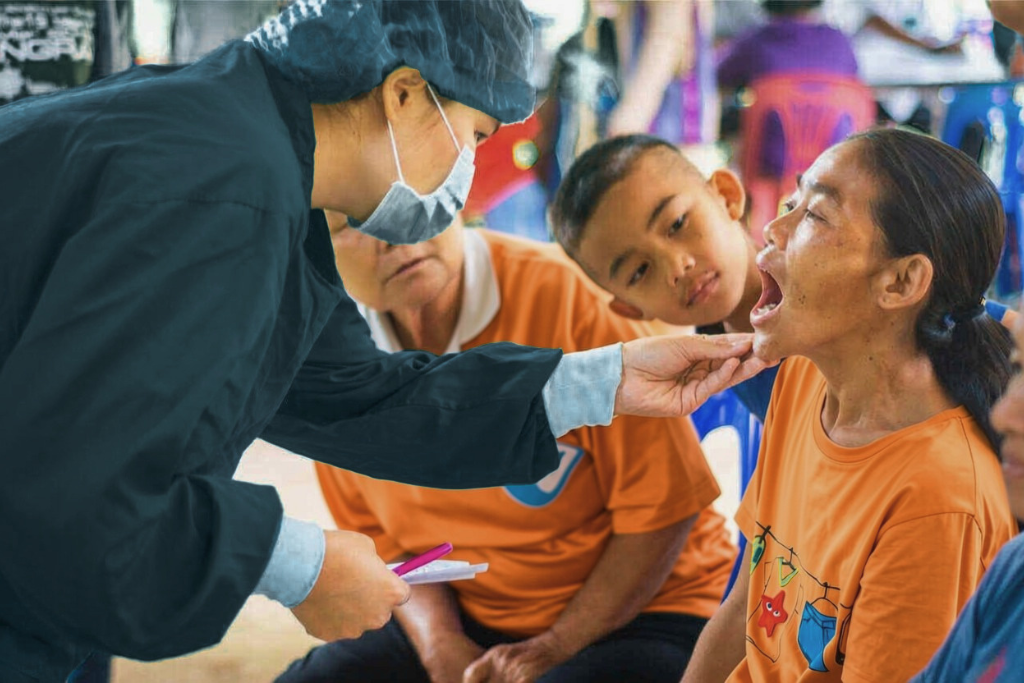
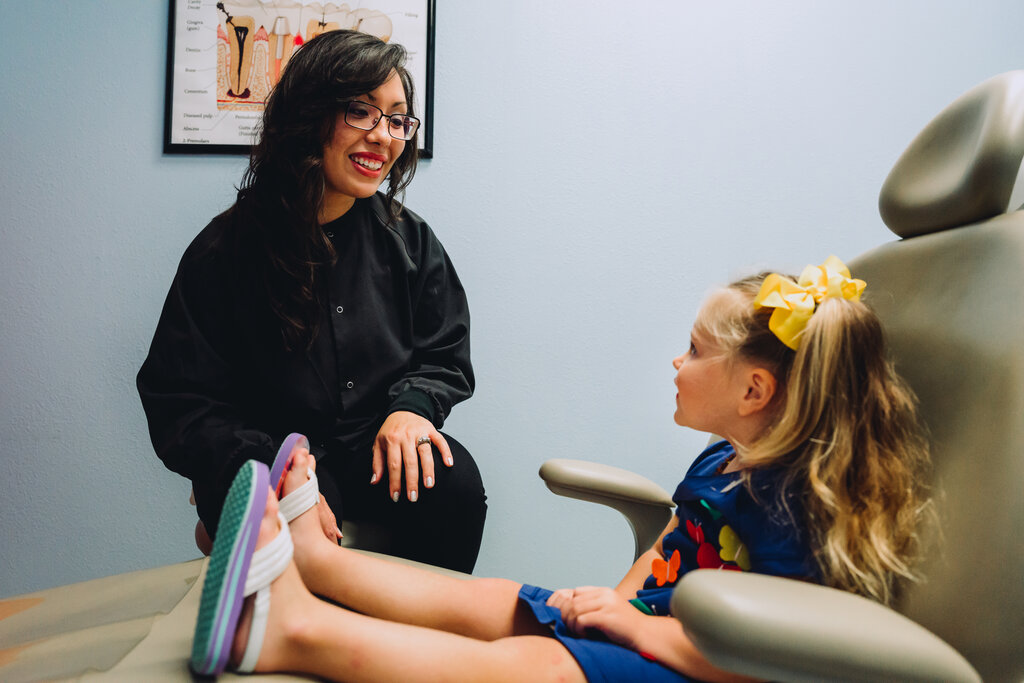
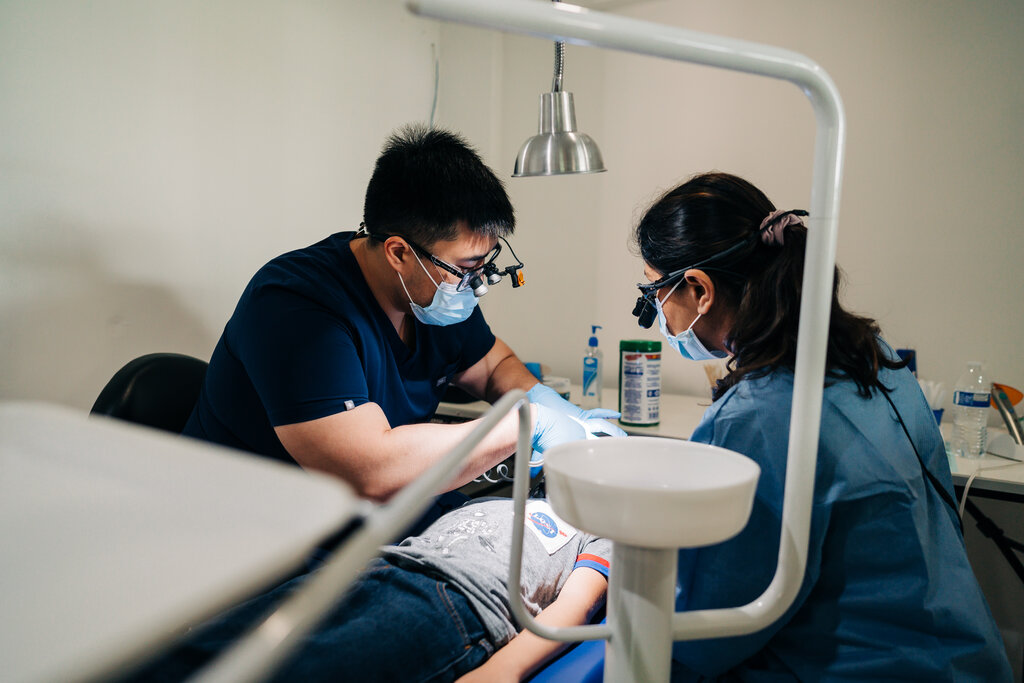
Serving an underserved community can give dentists opportunities to see a broad range of patients and dental needs. In communities where access to care has been limited, patients may arrive with treatment needs that have gone unaddressed for months or even years. Dentists may have opportunities to diagnose, prioritize, and treat a wide variety of conditions while developing stronger treatment-planning and patient-communication skills.
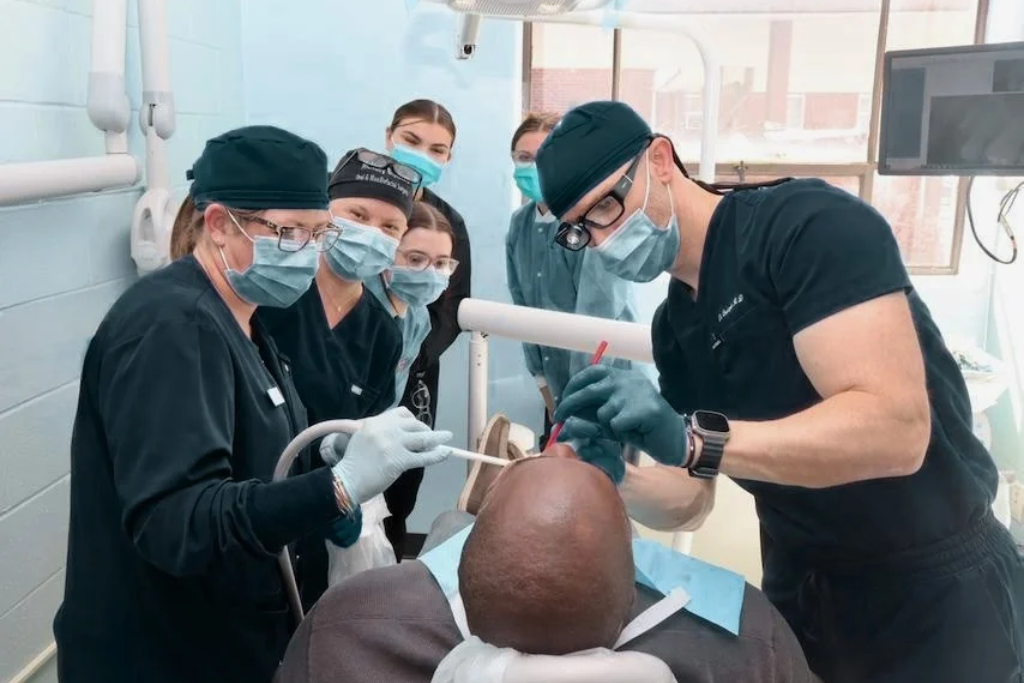
That experience can be especially valuable early in a career. For dental students and new graduates, working with diverse patient populations can help turn classroom knowledge into clinical confidence. For experienced dentists, it can provide opportunities to continue expanding their skills and approach to comprehensive care.
Serving underserved communities can help you:
- Strengthen treatment-planning skills.
- Develop stronger patient communication.
- Gain experience with a wide range of clinical needs.
- Build confidence working with different patient populations.
How CDP Helps
At Community Dental Partners, serving underserved communities is part of the mission. CDP offers opportunities in communities where access to dental care can be limited, while also providing mentorship and clinical support as dentists grow.
2. Your Patient Relationships Can Become More Meaningful
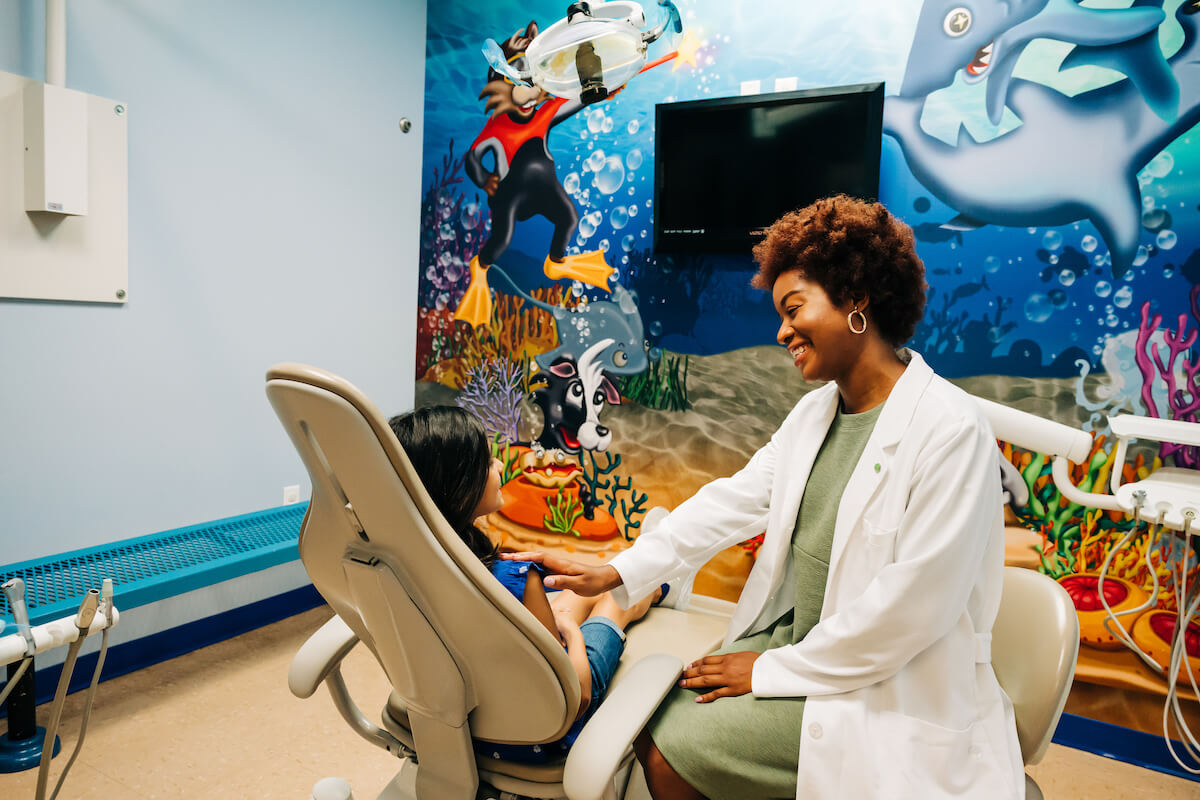
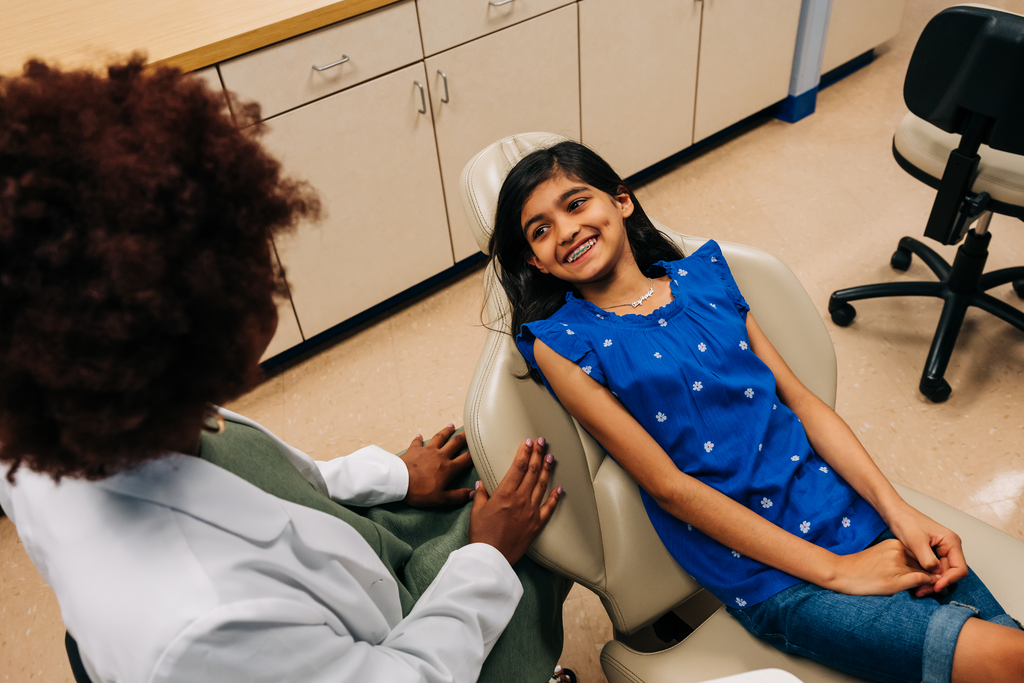
Dentistry is clinical, but it is also deeply personal. For someone who has struggled to find a dentist, getting consistent access to care can mean much more than completing a filling or cleaning. It can mean finally having someone who listens, explains treatment, and helps them feel comfortable seeking care again. That relationship can be particularly rewarding for dentists.
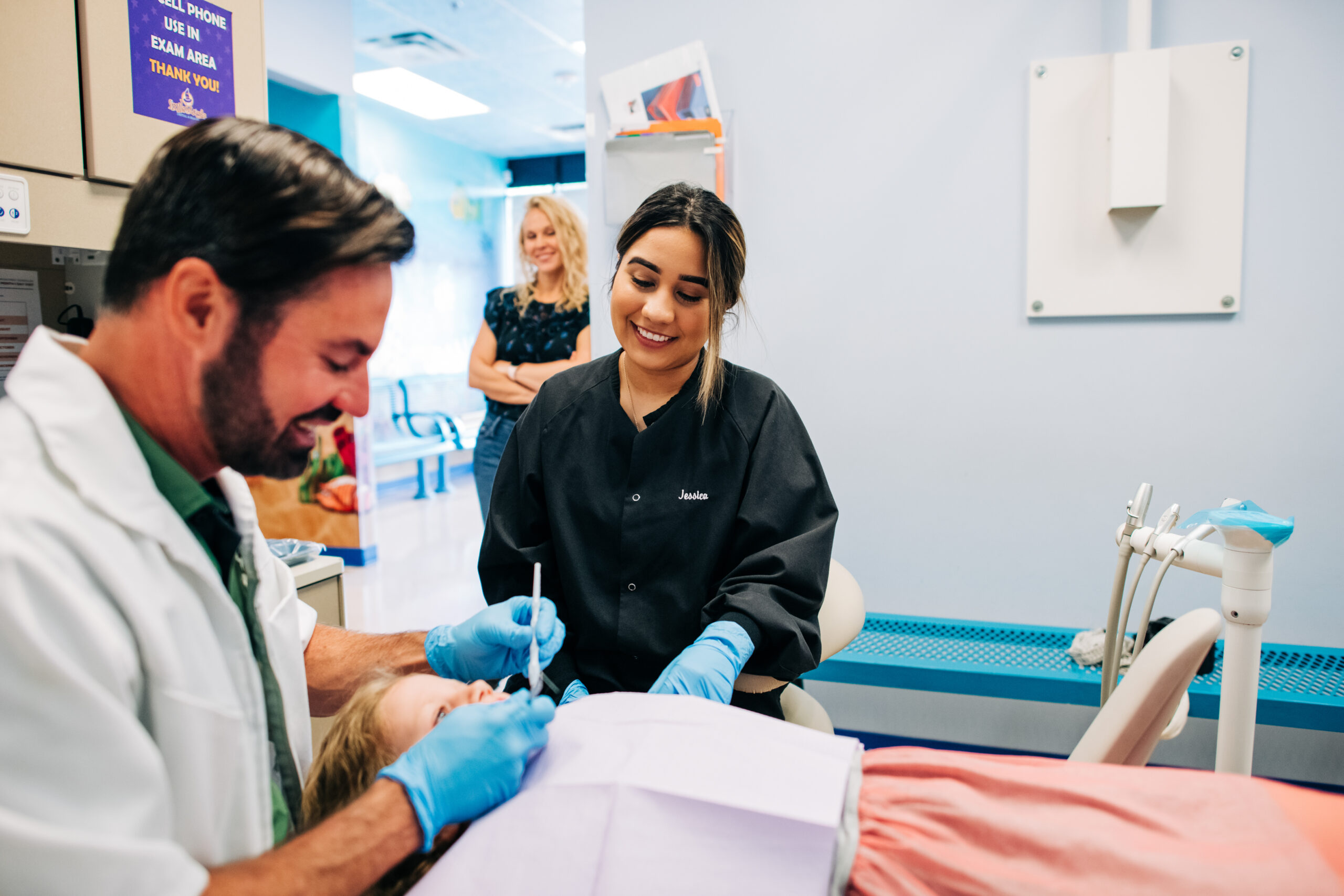
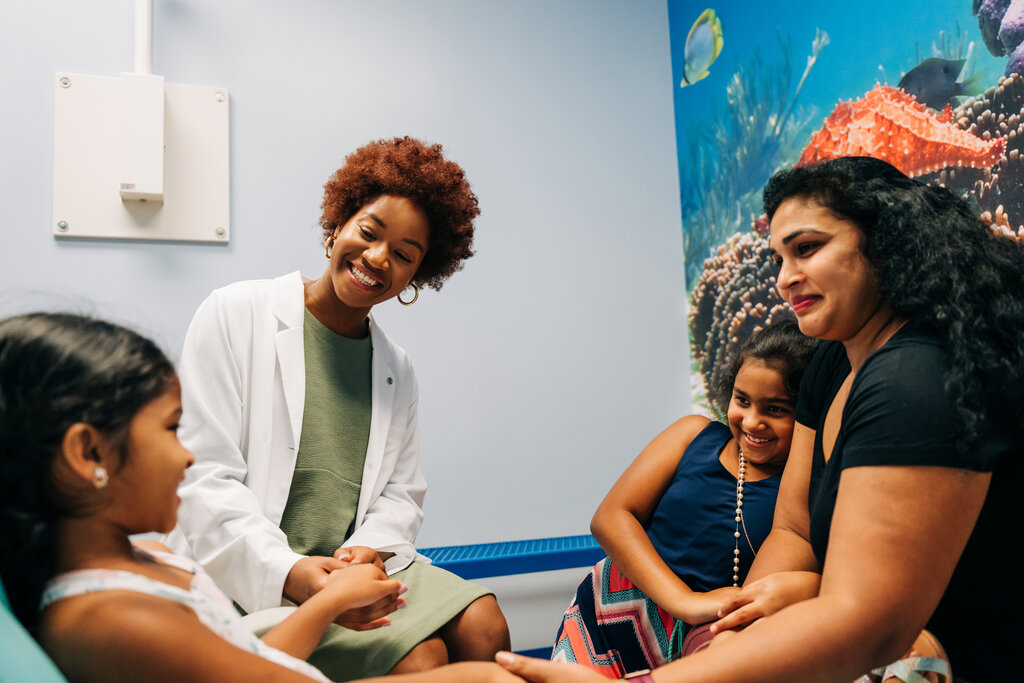
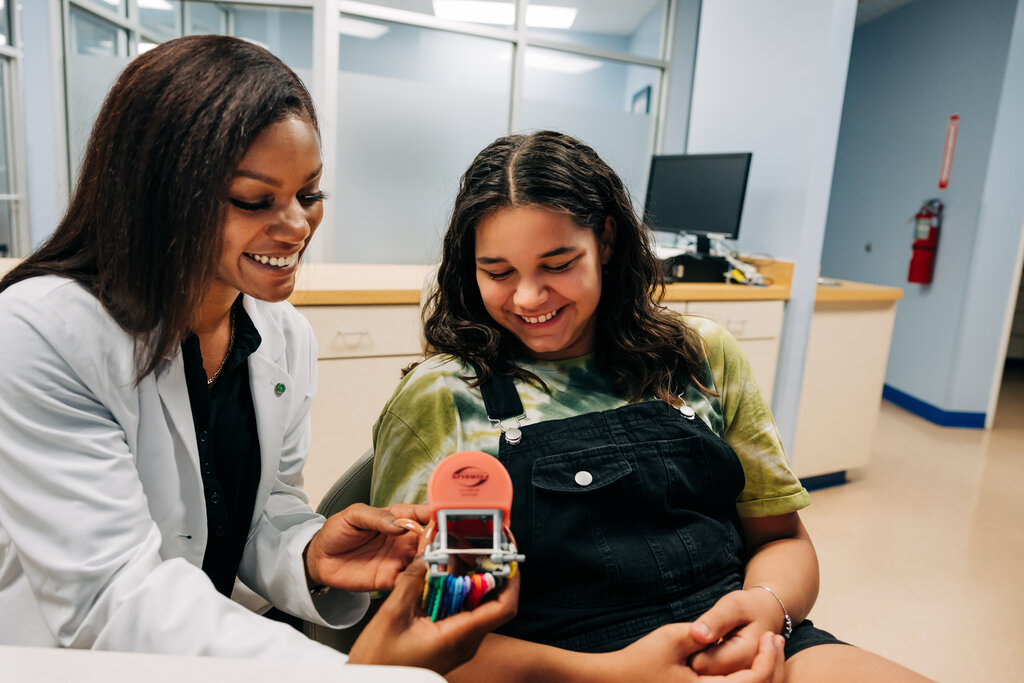
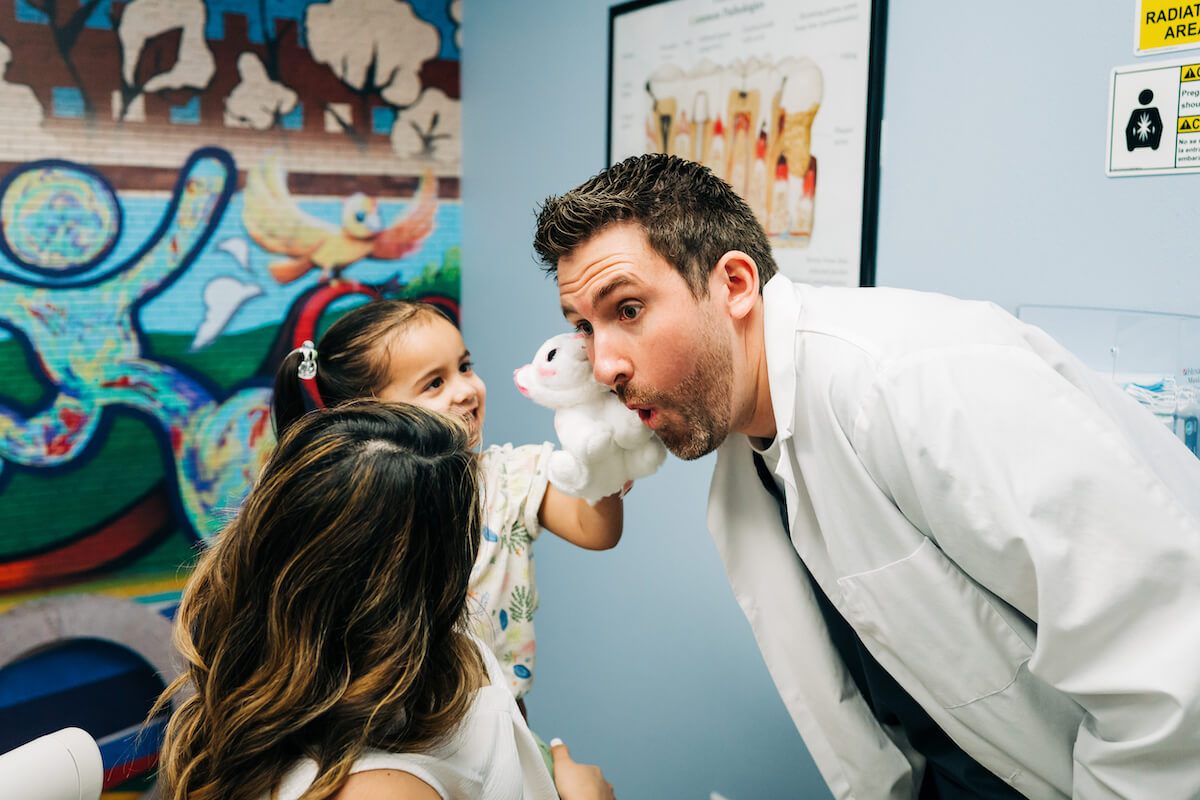
When you work in an underserved community, you have the opportunity to become a trusted healthcare provider for patients and families who may have had difficulty accessing care in the past. Over time, you may see patients return for preventive care, bring their children to the practice, or recommend you to friends and family. Those relationships can create a different kind of professional satisfaction.
The American Dental Association recognizes the value of service through its Humanitarian Award, which honors dentists who make significant contributions through volunteer service and quality oral healthcare.
Service does not have to mean traveling across the world. It can happen in the community where you practice every day.
3. Purpose Can Become Part of Your Career
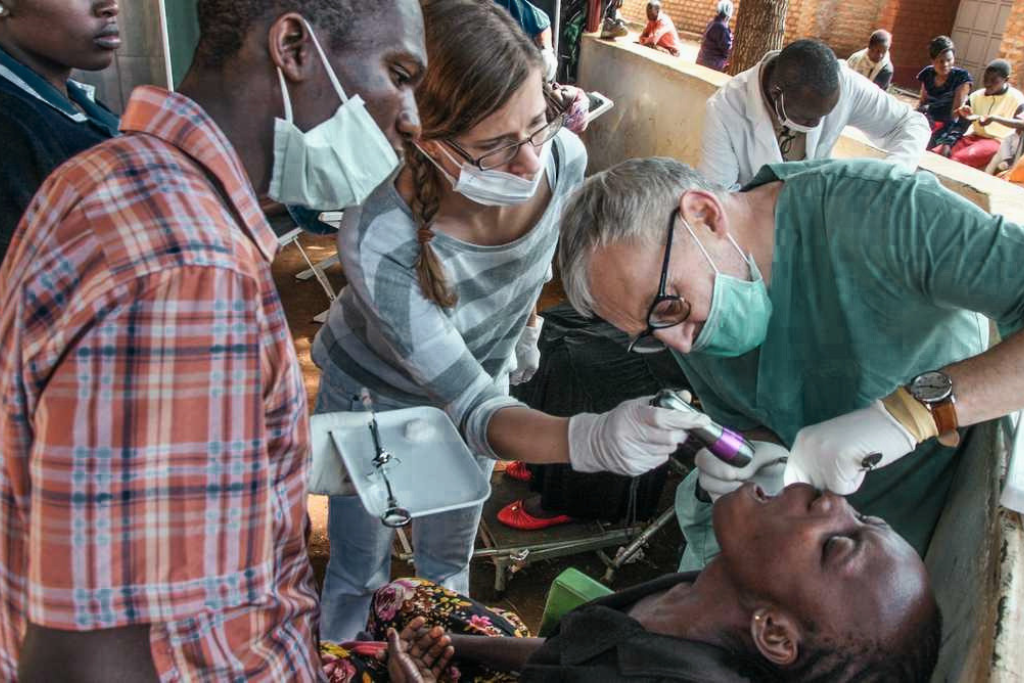
Location, compensation, schedule, and clinical autonomy all matter when choosing a dental career, and so does purpose. Many dentists want to know that their work has a positive impact beyond the operatory. Serving a community with limited access to care can connect your clinical skills to a larger need. This can be especially meaningful when deciding where to begin or grow your career.
A new graduate may find an environment where they can develop clinically while making a difference in the lives of patients and families. An experienced dentist may find renewed motivation by practicing in a community where their experience can have an immediate impact.
The American Dental Education Association notes that dentistry is a service-focused profession. For dentists, that service can go beyond providing quality clinical care. It can mean using your skills to improve access to care, build trust with patients, and contribute to healthier communities. When you can care for patients who might otherwise struggle to see a dentist, your work can feel more purposeful.
A meaningful dental career can give you the opportunity to:
- Provide care to patients with limited access to a dentist.
- Mentor and encourage the next generation of dental professionals.
- Help families build healthier habits and understand the importance of oral health.
- Build lasting relationships with patients and become a trusted part of their dental community.
4. You Do Not Have to Choose Between Impact and Career Growth
Some people mistakenly think serving underserved communities means putting professional growth on hold. It does not have to. Community-based dentistry can offer opportunities to grow clinically, take on leadership responsibilities, work with diverse patient populations, and build relationships with other healthcare professionals. The key is finding an environment that supports you while you serve.
How CDP Helps
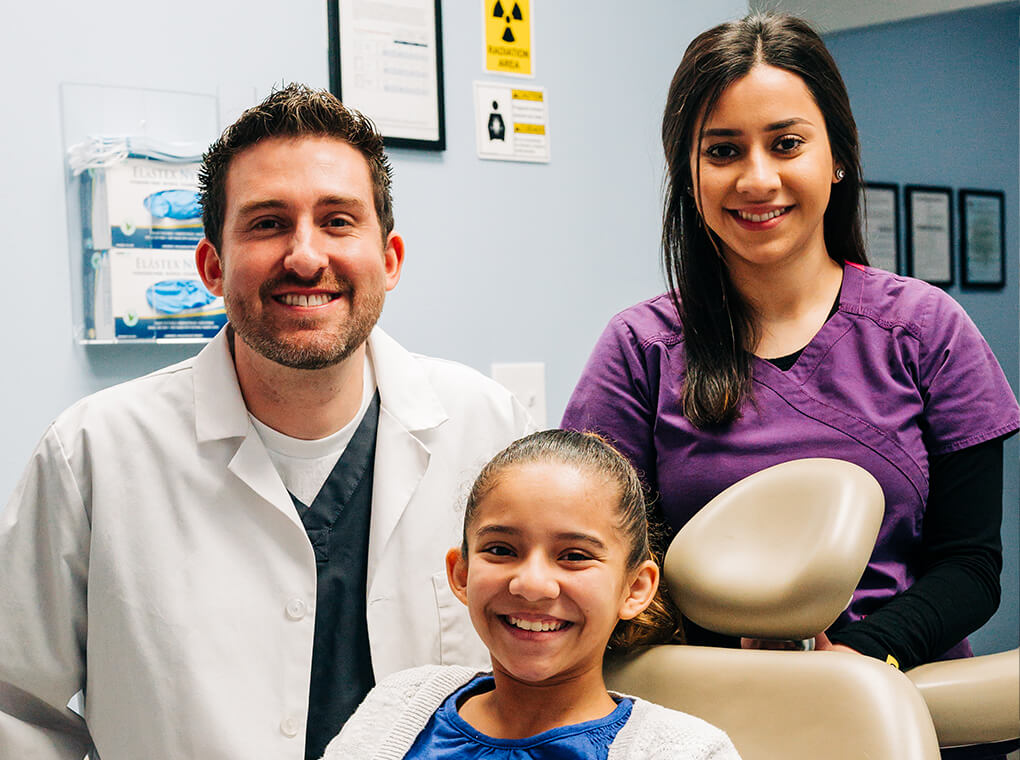
At Community Dental Partners, dentists have access to mentorship, clinical support, and opportunities tailored to different career stages. CDP also offers full-time, part-time, and traveling dentist opportunities, giving doctors different ways to incorporate community-focused care into their careers.
That support can be especially important for new graduates who are still building confidence. It can also benefit experienced dentists who want to make an impact without giving up the professional support and resources they need to practice well.
Conclusion
Choosing where to practice is one of the biggest decisions you’ll make as a dentist. You could choose based on location, compensation, schedule, or practice model. Or you could choose based on impact.
Underserved communities need dentists who are willing to show up, build trust, and provide the care patients deserve. In return, dentists can gain valuable clinical experience, stronger patient relationships, professional purpose, and the opportunity to see the direct impact of their work.
For dental students and new graduates, that can be a powerful way to begin a career. For experienced dentists, it can be a meaningful way to shape the next chapter of one’s career.
If serving communities with limited access to dental care sounds like the kind of work you want to be part of, Community Dental Partners may have an opportunity that fits your goals. Explore current opportunities and talk with a CDP Hiring Manager about where your dental career could take you.