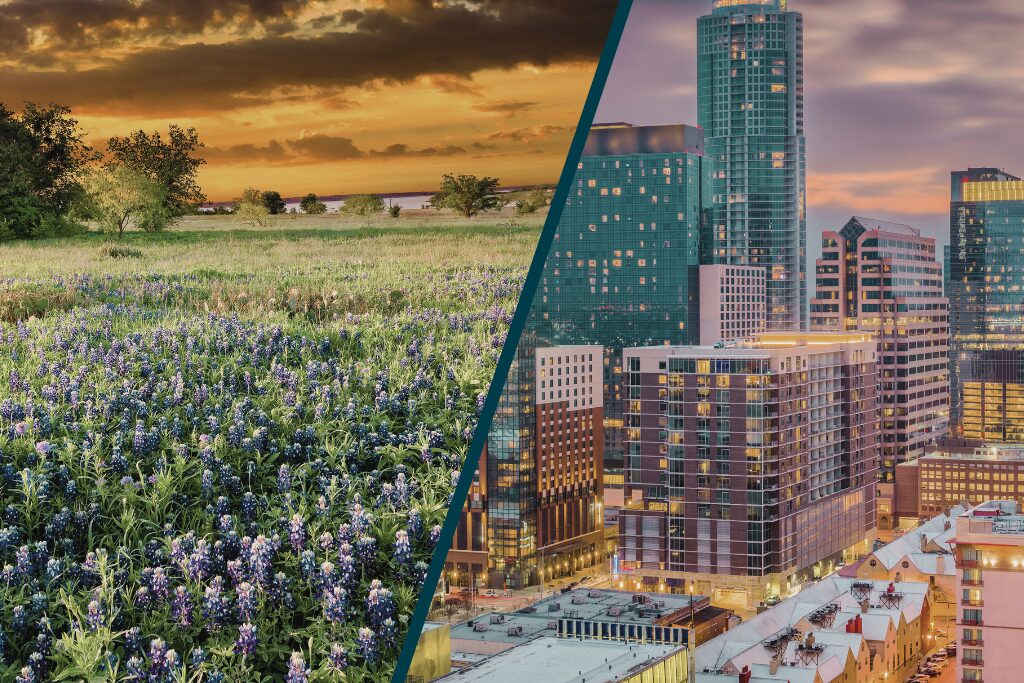
Many dental students picture their future working in a busy city office. Urban practices seem like the obvious path after graduation. However, once new dentists start exploring job opportunities, they often discover that rural dentistry offers strong clinical experience and a different pace of life.
The location you choose early in your career can shape your skills, patient relationships, and long-term satisfaction. Some environments offer faster growth, more hands-on experience, and stronger community ties. Others offer higher patient volume and specialization opportunities.
This blog explains what newly graduated dentists should expect when comparing rural and urban practice settings. You will learn about clinical experience, lifestyle differences, and long-term career growth. For many early-career dentists, rural practice can provide a strong foundation that builds confidence and independence faster than expected.
Clinical Experience Comes Faster in Rural Practices
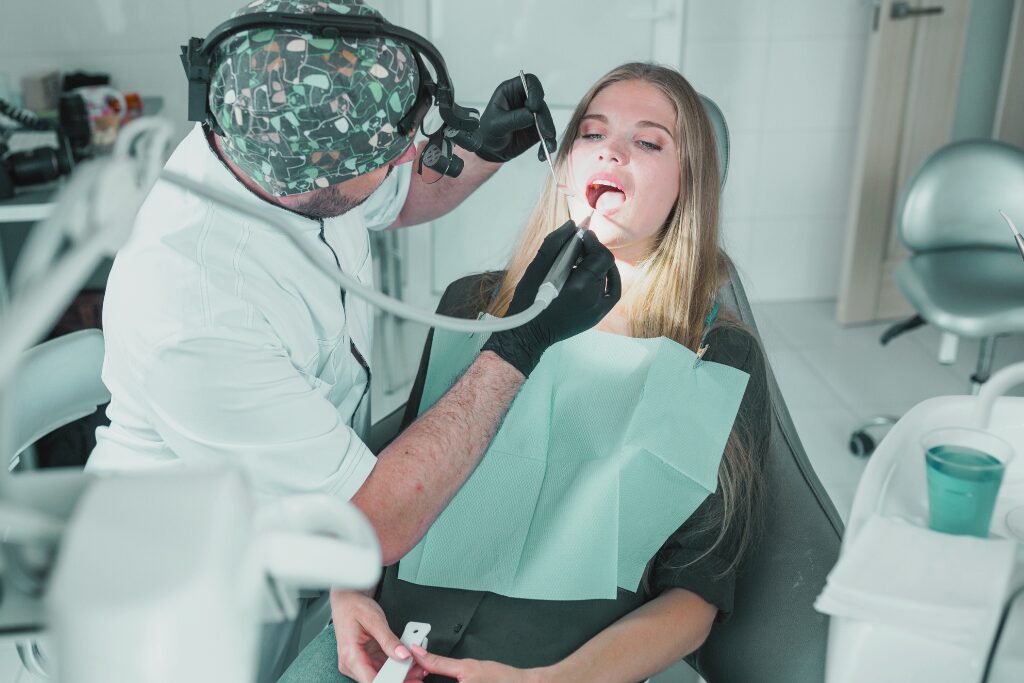
One of the biggest differences between rural and urban dentistry is the type of clinical experience you gain early in your career.
In large cities, dentists often work in highly competitive markets. Many urban offices have multiple providers and specialists nearby. Patients are frequently referred out for procedures like oral surgery, endodontics, or complex restorative work.
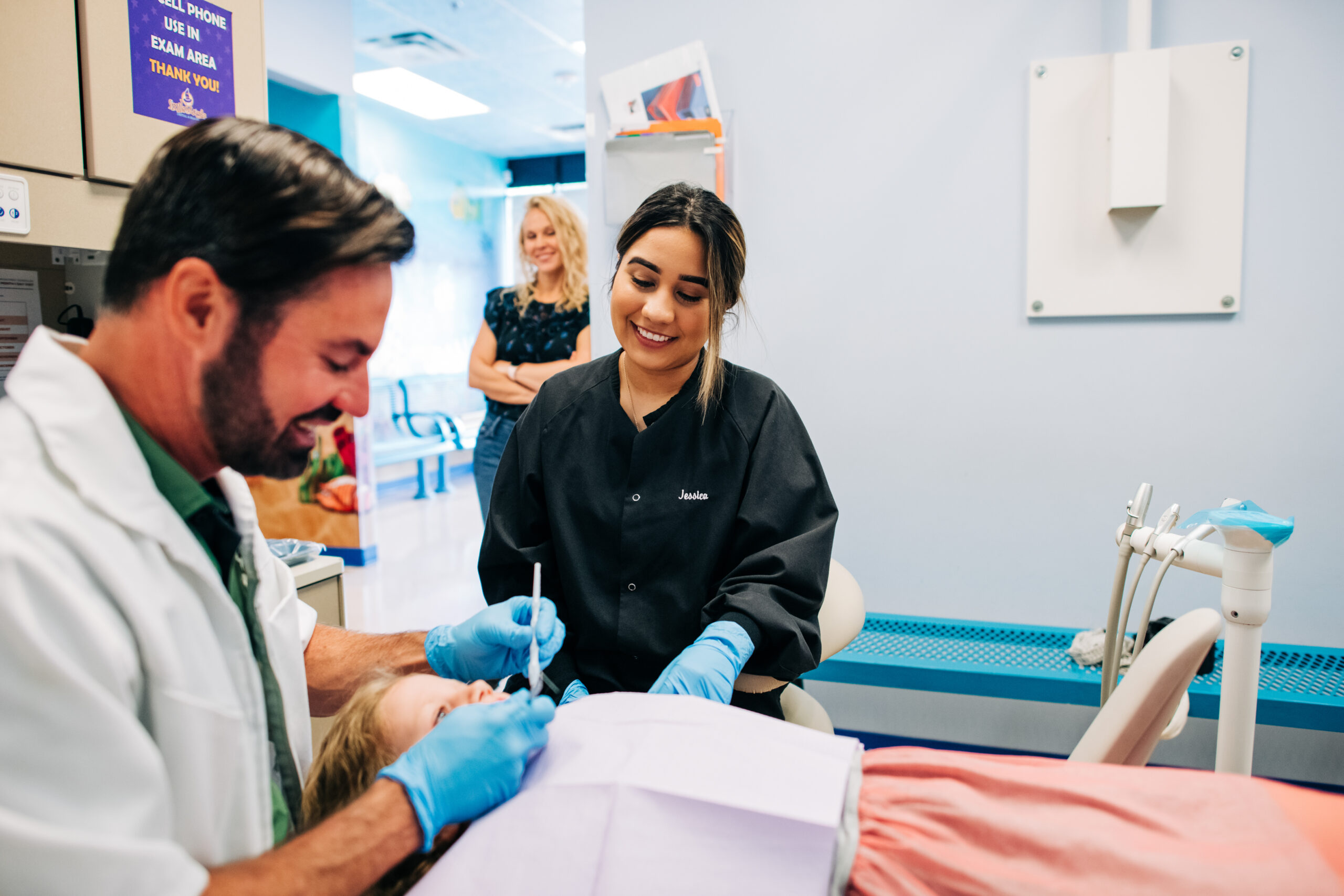
Rural communities are different. Many areas have limited access to dental care, which means general dentists often treat a wider range of cases.
According to a 2025 report from the American Dental Association (ADA) Health Policy Institute, rural areas have 32.7 dentists per 100,000 people, compared to 64.7 in urban areas. This urban-rural disparity, with rural areas having roughly half the dental workforce, has increased for over two decades as younger dentists tend to gravitate toward urban locations, worsening shortages in rural areas.
Because of this demand, new dentists in rural practices often gain experience in:
- Emergency dentistry
- Full treatment planning
- Extractions and surgical cases
- Complex restorative procedures
This broader exposure can accelerate clinical confidence during the first few years after dental school. Many early-career dentists say they feel better prepared and more independent after practicing in a rural environment, as they treat a wider range of conditions sooner.
How CDP Helps
Community Dental Partners supports new dentists in these settings by pairing them with experienced teams and providing mentorship opportunities to help them grow while serving communities that need care.
Stronger Patient Relationships and Community Impact
Another major difference between rural and urban practice is the relationship dentists build with patients.
Urban practices often see high patient turnover. People move frequently, and there are many competing offices nearby. Patients may not stay with the same dentist long term.
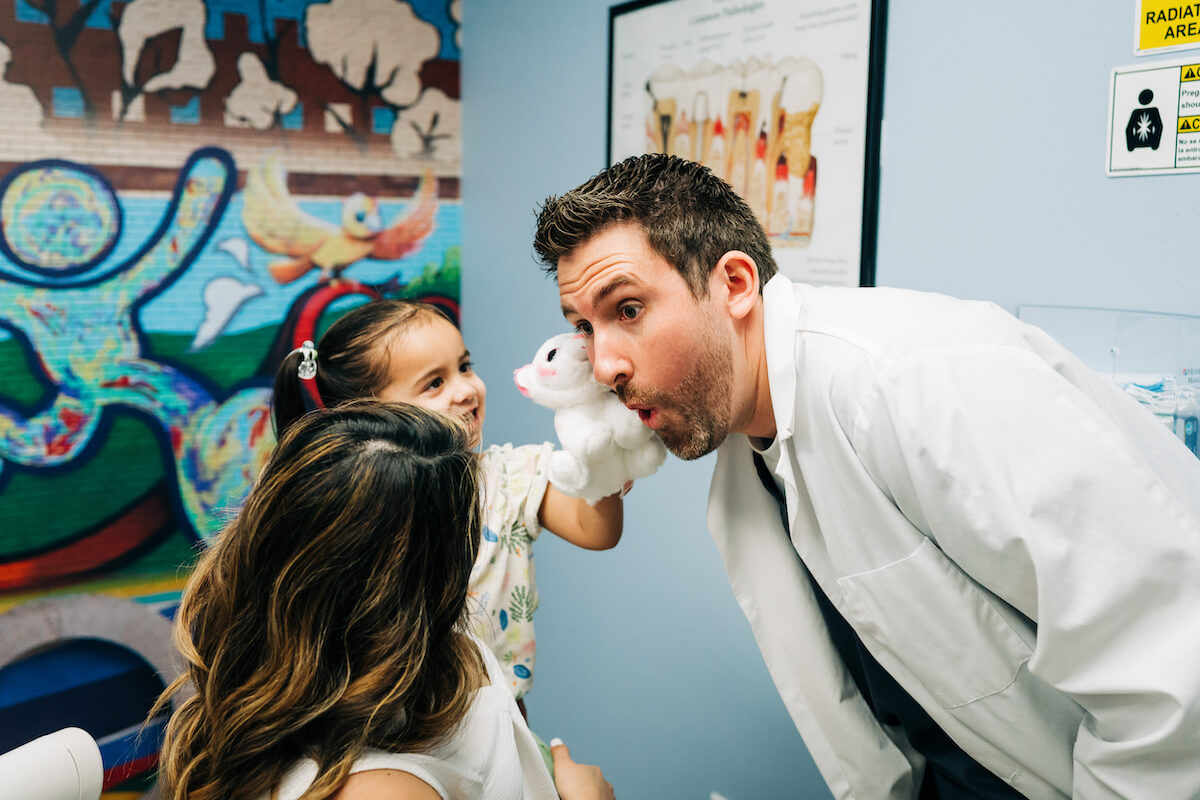
Rural communities tend to operate differently. Patients often stay with the same dentist for years or even decades. Dentists become trusted healthcare providers within the community. Many patients know the dental team personally and refer family members and neighbors. This creates a deeper sense of impact for many dentists.
For dentists, this means:
- Your work directly improves community health.
- Patients often show strong loyalty and appreciation.
- You can build long-term patient relationships early in your career.
Many dentists say this connection is one of the most rewarding parts of rural practice. Instead of feeling like one provider in a crowded city market, rural dentists often feel like an essential part of the community’s healthcare system.

Lifestyle and Work-Life Balance
Location also affects lifestyle outside the practice. Urban environments can offer entertainment, dining, and large social networks. However, they also come with higher housing costs, long commute times, and more daily stress.
Rural areas often provide a slower pace and a lower cost of living. Many dentists find they can purchase homes sooner, reduce commuting time, and enjoy more time outside the office.
Some common advantages reported by rural dentists include:
- Lower housing costs
- Shorter commute times
- Stronger community connections
- Less competition between practices means more production
For new graduates with student loan debt, the financial impact can be meaningful. Lower housing costs, cheaper daily expenses, and shorter commutes can reduce monthly spending. That extra margin often allows dentists to put more toward their loan payments while still setting aside money for savings, retirement, or future investments. Over time, this can help new dentists gain financial stability sooner and reduce the long-term burden of student debt.
How CDP Helps
Community Dental Partners works with dentists exploring rural opportunities and helps them evaluate how different locations affect both their professional growth and lifestyle goals.
Long-Term Career Growth and Leadership Opportunities
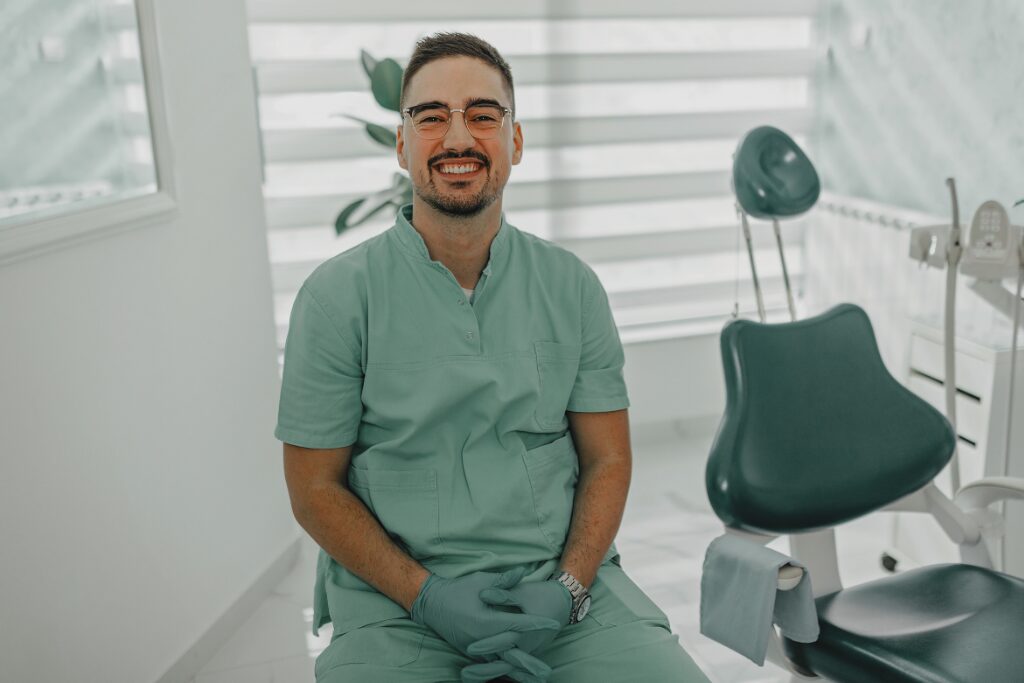
A rural setting can also offer leadership opportunities earlier in your career.
In many urban markets, dentistry is highly competitive. Practices often already have established partners, senior associates, and leadership structures. Because of this, it can take years for a new dentist to step into a larger role or have meaningful input in clinical or practice decisions.
Rural communities are often different. The demand for dental care is higher, and there are fewer providers. This creates space for younger dentists to take on leadership responsibilities sooner. You may help guide patient care systems, mentor team members, and become a trusted provider in the community.
Dentists in rural settings may have opportunities to:
- Lead clinical teams
- Work toward future ownership
- Expand services within the practice
- Build a strong patient base more quickly
These experiences can be valuable whether you plan to stay in rural dentistry long term or move to another market later.
Conclusion
Rural dentists often gain broader clinical experience, build meaningful patient relationships, and enjoy a lifestyle that supports both professional growth and personal balance. For dentists who want to strengthen their skills quickly while making a clear impact on patient care, rural communities offer opportunities that are hard to find in crowded urban markets.
If you are exploring where to start your dental career, it can help to talk with people who understand both the clinical and lifestyle aspects of these decisions. Community Dental Partners works with dentists across many communities and can help you explore opportunities that fit your goals.
Schedule a conversation with a Hiring Manager. A short conversation may help you discover a career path that gives you the experience, support, and community impact you are looking for.